|
Gen info
- Taxonomy: Quisumbing's compilation lists Coleus atropurpureus (badiara) and Coleus blumei as separate species. More recent compilations list the species as synonymous. K. Heyne does not separate it from C. blumei (now Solenostemon scutellarioides). (11) The name 'Coleus', widely used by horticulturists and gardeners, refers to a defunct genus. The species has been placed under genus Solenostemon and genus Plectranthus. (22)
- Etymology: The genus name Sollenostemon is derived from the Greek words 'solen' meaning tube and 'stemon' meaning stamen. The specific epithet scutellarioides means 'resembling scutellarioides.' In Latin, scutella means a small dish or bowl. (22)
- There are more than 173 varieties of P. scutellarioides all over the world.
-
Ornamental cultivation for its decorative variegated leaves, Varieties include Aurora, Religious Radish, Red Trailing Queen, Trailing Bleeding Heart, Trailing Salamander, Ruby Ruffles, Vulcan, and Meandering Linda.
- There was a report of psychoactive use among the Mexican Mazatecs discovered in 1962 in connection with Gordon Wasson's research into Salvia divinorum.
- There is a large number of Coleus blumei hybrids which can be mistaken for other Coleus species.
Botany
• Mayana is an erect, branched, fleshy,
annual herb, about 1 meter high. Stems are purplish and 4-angled. Leaves are
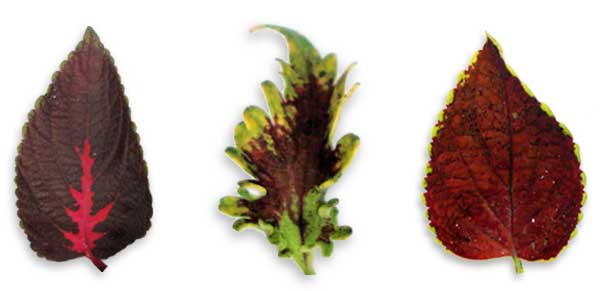
variously blotched or colored, usually more or less hairy, ovate, 5 to 10 centimeters long, rather coarsely toothed in the margins; and in the most common form uniformly velvety-purple. Flowers
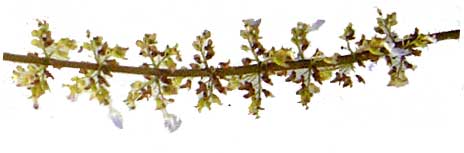
are purplish, numerous, and borne in lax, terminal, simple or branched inflorescences, 15 to 30
centimeters long. Calyx is green, and about 2.5 millimeters long, with the upper lip ovate and the lateral lobes short and ovate, the lower one being 2-cleft. Corolla is about 11 millimeters long.
 Distribution Distribution
- Native to the Philippines.
- Cultivated for ornamental purposes. Popular for its incredible range of foliage colors.
- Also native to Bismarck Archipelago, Borneo, Cambodia, China Southeast, Jawa, Laos, Lesser Sunda Is., Malaya, Maluku, Myanmar, Nansei-shoto, New Guinea, Northern Territory, Queensland, Solomon Is., Sulawesi, Sumatera, Taiwan, Thailand, Vanuatu, Vietnam, Western Australia. (10)
- Now, a pantropic ornamental.
Constituents
 - Volatile oils. - Volatile oils.
- Leaves reported to yield psychoactive material.
- From the leaves, study isolated a mixture of sterols and triterpenes, campesterol, α-amyrin and ß-amyrin.
- Yields salvinorinlike substances of undetermined chemical structures.
- Screening yielded flavonoids, sterol and triterpenoid compounds.
- Leaves have yielded alkaloids, saponin, flavonoids, tannin, volatile oils, and quercetin.
(13)
- Phytochemical screening of crude leaf extract
yielded terpenoids, phenolic compounds, saponins, and anthraquinones. (see study below) (19)
- TLC and GC-MS study of leaves yielded essential oil content of 0.04% v/w. Organoleptic properties were the form of brownish yellow liquid, taste of sponge, and smell of tea. Main constituents were phytol 21.1%, germacrene-d 9.30%, caryophyllene 8.84%, ß-elemene 6.84%. and neophytadiene 6.08%. (27)
- Study of aerial parts yielded three new compounds, diterpenoid glucoside (13S,15S)-6ß,7a,12a-trihydroxy-13ß,16-cyclo-8-abietene-11,14-dione 7-O-ß-D-glucoside (1), flavonoids apigenin 7-O-(3"-O-acetyl)-ß-D-glucuronide (2) and apigenin 5-O-)3"-O-acetyl)-ß-D-glucuronide (3), together with known compounds caffeic acid (4), luteolin 5-O-ß-D-glucoside (5), and rosmarinic acid (6). (see study below) (28)
- Study of leaves isolated three new diterpenoids, spirocutelones A-C (1-3), along with known diterpene (4). (see study below) (29)
- HPLC-MS revealed presence of phenolic acids (ferulic, syringic, vanillic, rosmarinic, chlorogenic, caffeic, coumaric, dihydroxybenzoic acids), flavonoids (eriodyctiol and cirsimaritin) and terpenes such as 6,11,12,14,16-Pentahydroxy-3,17diacetyl-8,11,13-abietatrien-7-one, 6,11,12,14,16-Pentahydroxy-3,17-diacetyl5,8,11,13-abietatetraen-7-one, and 3,6,12-Trihydroxy-2-acetyl-8,12-abietadien7,11,14-trione.
(see study below) (44)
Properties
 - Carminative, vulnerary. - Carminative, vulnerary.
- Studies suggest antimicrobial, antioxidant, anthelmintic, antimalarial, analgesic, anti-inflammatory, immunostimulant, wound healing, larvicidal, phytoremediative, COX inhibitory, anticancer, antidiabetic, butyrylcholinesterase inhibitory, fungistatic, immunological, anticoagulant properties.
Pigmentation
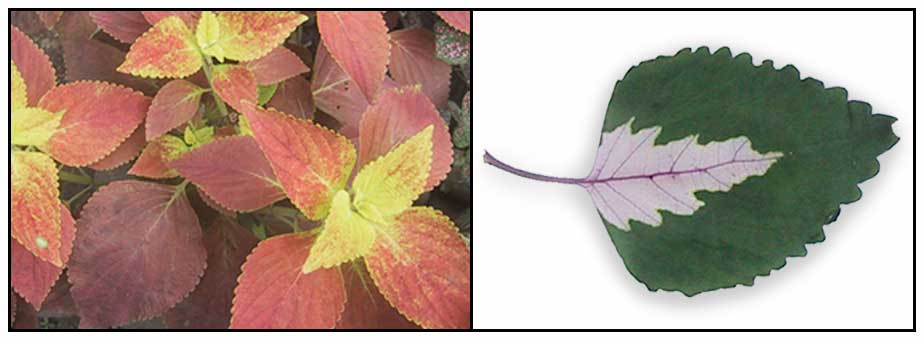
- Leaves of wild species may be variegated, and to an extreme degree in cultivated varieties. The leaf colors may include one or more shades of green, white, cream, yellow, pink, red, maroon, and dark purple. Green is due to the amount of chlorophyll present in the chloroplasts in the leaves. Red, purple, pink, and orange are due to anthocyanins - water soluble, flavonoid biosynthetic pigments in the foliage in addition to chlorophyll. The amount of anthocyanins and chlorophyll is light-dependent - the more light, the more the anthocyanins, witn an inverse relationship to the production of chlorophyll. (50)
Parts used
Leaves, seeds, bark.
Uses
Folkloric
• In the Philippines, pounded leaves used as a cure for headaches, applied to the temples or nape of the neck. Also used for healing bruises.
• Used by the Ati tribe in Malay, Aklan for fever and headaches. (36)
• Decoction taken internally for dyspepsia and for wasting away.
• Decoction used as eye drops for ophthalmia and conjunctivitis.
 • For bruises and sprains, 10-12 leaves are crushed or pounded and applied over the ankles, wrists or affected
areas for 30 minutes, three times daily, the poultice held
in place by a bandage. • For bruises and sprains, 10-12 leaves are crushed or pounded and applied over the ankles, wrists or affected
areas for 30 minutes, three times daily, the poultice held
in place by a bandage.
• Carminative: Take decoctions of leaves.
• Mild bleeding of wounds: Wash the young leaves; crush and extract
the juice. Drop a few drops of the juice directly on the wound. Apply
the crushed leaves as poultice.
• Sinusitis: Heat 10-12 fresh leaves over a fire; apply while
still hot over the forehead for the frontal sinuses or over the cheeks
for the maxillary sinuses, twice daily.
• Dyspepsia: Decoction, taken internally.
• Reported use in Asian traditional medicine for asthma, angina, bronchitis, epilepsy, insomnia, skin rashes and various digestive problems.
• In India, fresh juice of leaf and stem is mixed with the juice of raw Citrus fruits and applied over the skin during scorpion bite. source
• In Samoa, used to treat elephantiasis.
• In Southeast Asia, used to treat dysentery and various digestive problems.
• In Vanuatu, leaves used for abortion; also for amenorrhea. Sap is used as contraceptive, and whole plant leaves used as emmenagogue. Leaves also used to facilitate lactation by heating or softening flowers in hot water and applying the preparation on the nipples. (14)
• In Fiji, used to treat diarrhea; juice of leaves used to treat earache.
- From Thailand to Malaya, pulped leafy stems or decoction used to stimulate digestion, used to relieve pain ascribed to the heart, congestion of the liver with swollen hands and feet. Leaf paste sometimes applied over the stomach, heart and glandular swellings.
- Elsewhere, decoction used internally for dyspepsia and wasting.
- Used as drops for ophthalmic.
- Also used for hemorrhoids and to regulate menstruation.
- Once used to prevent conception.
- Roots used for colic and diarrhea.
-In Indonesia, the color blaze dark star variety, known as miana or iler, is used fresh, boiled, or infused to treat blain, abscesses, ulcers, eye and ear inflammation. Roots used for diarrhea and stomach pains; also for diabetes, constipation, fever, and dysmenorrhea. Ethnic Toraja use miana leaves to treat pulmonary tuberculosis. (43)
Others
• Psychoactive: The psychoactivity of the leaves is highly controversial. (1) There are reports of psychoactive effects from the smoking of leaves. Leaves are dried and soaked alone or mixed with other herbs, and the psychoactive effect achieved with as few as 3 leaves. (2) The Mazatecs consider coleus as a member of the "family" of psychoactive herbs, using coleus as a substitute for Salvia divinorum.
(3) About 30% of subjects who smoked dried Mexican Coleus blumei leaves reported effects similar to smoking a small dosage of Salvia divinorum. (4) Some experience no effects with large amounts of leaves.
• Dye: Sap from leaves of the wild, purple-black species used in tattooing. (18)
• Toxicity: Reported toxicity to dogs from ingestion of leaves.
Studies
• Antimicrobial / Diterpenes: Diastereomeric Diterpenes
from Coleus blume: Study
yielded a new abietane type diterpene that showed antimicrobial activity
against B subtilis, P aeruginosa and C albicans. (1)
• Antioxidant: Antioxidant Activity
of Coleus Blumei, Orthosiphon Stamineus, Ocimum basilicum and Mentha
arvensis from Lamiaceae Family: Study showed all methanol samples
exhibited antioxidant activity and suggested that Lamiaceae plants has
pharmaceutical potential for its antioxidant properties. (2)
• Forskolin / Erectile Dysfunction: Study has shown forskolin may enhance smooth muscle relaxation. Studies are needed to assess the use of coleus in the treatment of erectile dysfunction.
• Anthelmintic: Leaf extract showed high efficacy against Hymenolepsis nana (mice). (4)
• Analgesic / Anti-Inflammatory / Antimicrobial: Study isolated a mixture of sterols and triterpenes from the leaves of Coleus blumei. The isolates exhibited analgesic, anti-inflammatory and antimicrobial activities. The study also isolated campesterol, α-amyrin and ß-amyrin. (5)
• Antioxidant / Phenolic Content / Minerals: Study investigated whether antioxidant, minerals and phenolic content can be extracted by boiling the leaves in water. The mineral concentration, antioxidant activity and phenolic content seemed to be highly correlated. Study concludes the leaves have a high potential value for a nutritional purpose. (9)
• Antibacterial / Antitumor: An ethyl ethanoate soluble separate of an ethanol extract showed antibacterial and anti-tumor properties.
• Quercetin / Histamine H4 Receptor Inhibitor: A Plecranthus leaves extract yielded 0.05% quercetin. Quercetin is known to have a strong affinity for mast cells and basophils. The compound was able to interact with H4R. Results suggest Plecranthus leaves extract might have potential use as histamine H4 receptor inhibitor. (13)
• Phytoremediation with Selenium Treatment / Lead Exposure: Study showed lead (Pb) is tolerated by coleus plants through allocation plasticity, activation of antioxidant systems, and improvements in particle size and mineralogical effects. C. blumei can be useful in phytoremediation of aquatic systems contaminated with Pb, especially with addition of low concentrations of selenium. (15)
• Anti-Malarial: Study investigated the in-vivo antiplasmodial activity of a combination of Piper betle fruit, Plectranthus scutellarioides, honey and egg yolk inoculated into Swiss albino mice infected intraperitoneally. Results showed inhibition of Plasmodium berghei parasitemia, suggesting a possible therapeutic value in human malaria, and suggesting further investigation in different experimental models. (16)
• Larvicidal
/ Leaves: Study for larvicidal activity of leaf extract against 2nd and 3rd instar larvae of Aedes aegypti showed high mortality with 96.11 ± 1.389% and LC50 of5.85 ± 0.4719 ppm. Potential as insecticide against A. aegypti was attributed to phytol and other essential oils such as sesquiterpenes and diterpenes. (see constituents above) (19)
• Wound Healing / Leaf Ointment: Study evaluated ointment formulation from air dried leaves for wound healing activity on inflicted wounds on albino rats. Results showed significant wound healing activity with a significant decrease in wound length and size. Phytochemical screening yielded polyphenols, flavonoids, saponins, and quinones. (20)
• Inhibition of COX Enzymes: Study evaluated the pharmacologic activity of P. scutellarioides leaf extracts on cyclooxygenases (COX) and xanthine oxidase (XO) enzymes. Results showed COX-1 inhibition of 40.43% and COX-2 at 97.04%. All the leaf extracts showed inhibitory activity on XO enzyme, possibly attributed to the presence of benzopyran ring in the flavonoids. Results suggest potential as XO and nonselective COX inhibitors. (21)
• Fungistatic / Effect on Expression of mRNA IL-37 in Mice Infected with Candida albicans / Leaves: Study analyzed IL-37 expression following administration of miana leaf extract (MLE) in an animal model of vulvovaginal candidiasis. Results suggest a component within the MLE may mediate its anti-inflammatory characteristics as indicated by an increase in mRNA IL-37 expression in mice inoculated with C. albicans. The fungistatic effect of MLE is not less than ketoconazole and may act as an anti-inflammatory through its antioxidant effect. Study suggests an alternative treatment for patients with vulvovaginal candidiasis. (23)
• Effect of Tissues on Romarinic Production: Rosmarinic acid is one of the main components of C. blumei which is known to have numerous health benefits. Study evaluated the ability of different tissues to accumulate rosmarinic acid and sustainability in production over long cultivation. Hairy root lines showed the highest mean growth rate and consistency in rosmarinic production. Dichlorophenoxyacetic acid (DAA) significantly reduced tumor growth and rosmarinic production. 1-Naphthaleneacetic acid strongly stimulate hair root growth while abscisic acid strongly enhanced rosmarinic production. Hairy roots cultured in an airlift bioreactor showed the highest potential for mass production of rosmarinic acid. (24)
• Antioxidant / Butyrylcholinesterase Inhibitory Activity / Aerial Parts: Study of aerial parts isolated and identified six compounds from P. scutellarioides. Abietane glucoside and flavonoid glucuronides were isolated for the first time. The flavonoids inhibited butyrylcholinesterase better than galanthamine. Abietane glucoside and rosmarinic acid suppressed hyaluronidase. Rosmarinic acid showed the highest antioxidant activity. (see constituents above) (28)
• Cytoxicity Against Cancer Cell Lines / Abietane-Type Diterpenoids / Leaves: Study of leaves isolated three new diterpenoids, spirocutelones A-C (1-3), along with known diterpene (4). Compound 2, spiroscutelone B exhibited the most potent cytotoxicities against three tested cancer cell lines: breast (MCF-7), pancreatic (PSN-1), and cervical (HeLa) with IC50s ranging from 17.9 µM to 29.8 µM and low cytotoxicity against a lung fibroblast (WI-38) normal cell line. (29)
• Antidiabetic Activity / Leaves: Study evaluated an ethanol extract of iler leaves for bioactive compounds and antidiabetic activity in white male Swiss Webster mice induced by alloxan. Glibenclamide was used as positive control. An ethyl acetate fraction (Ps-II) showed significant reduction in blood glucose level (37.65%). Further subfractions of ethyl acetate fraction showed significant antidiabetic activity (p<0.05) with 30.64% to 44.82% range of decrease of blood glucose levels. (30)
• Antipyretic: Study evaluated the antipyretic activity of P. scutellarioides extract of Swiss Webster male mice with pyrexia induced by diphtheria-pertusis-tetanus (DPT) vaccine. Results showed reduction in body temperature by 80.47% at 280 mg/kbw compared to paracetamol 85.43% at 130 mg/kbw. Of interest, higher extract dose decrease the antipyretic effect. (31)
• Anti-Inflammatory / Antiproliferative / Diterpenoids / Aerial Parts: Study of dichlormethane extract of aerial parts isolated 10 diterpenoids. The isolated constituents were evaluated for in vitro NF-kB inhibitory activity and cytotoxic effects in human multiple myeloma cancer stem cells and RPMI 8226 tumor cell line. Coleon O, coleon G, lanugone K and 6-acetylfredericone B showed highest inhibitory activity against NF-kB, with IC50s of 11.2, 11.0, 4.5, and 9.7 µM, respectively. Coleon O also showed significant activity towards human multiple myeloma cancer stem cells and RPMI 8226 cells with IC50s of 9.2 and 8.4 µM, respectively. (32)
• IgM Antibody Response on Systemic Candidiasis / Leaves: Study evaluated the colony fungi loads, IgM antibody responses, and correlation in Balb/c mice infected with C. albicans treated with oral ethanol leaf extract of PS. Results showed ingestion of ELEP significantly affected fungal load clearance and decreases IgM antibody levels compared to the control group (p<0.001). Ingestion of ELEP was associated with lower concentration of IgM antibodies and colony forming units (p<0.001). Results strongly suggest the IgM antibody response is involved in the mechanism by which ELEP decreases C. albicans infection. (33)
• Effect of Leaf Temperature and Blue Light on Rosmarinic Acid: Study evaluated the influence of different lamp types on physiology and secondary metabolites of P. scutellarioides. Results showed stem elongation was increased in PS by increased FR light. Higher infrared radiation resulted in faster plant development. Content of rosmarinic acid and phenolic compounds were mainly influenced by leaf temperature. Blue light increased leaf thickness and led to a higher accumulation of RA per leaf area. (34)
• Green Extraction of trans Rosmarinic Acid / Leaves: Painted nettle (P. scutellarioides) leaves is one of the richest sources of trans-rosmarinic acid, an antioxidant and antimicrobial phenolic compound. Study reports on the optimization and validation of an ultrasound-assisted extraction method. Highest content was obtained using pure ethanol as extraction solvent. The antioxidant (in vitro radical scavenging) and antimicrobial (S. aureus) activities were significantly correlated with trans rosmarinic acid concentration. (35)
• Antibacterial / Leaf Essential Oil: Study profiled the leaf essential oil and antibacterial activity of P. scutellarioides. Hydrodistillation yielded 0.18% essential oil, and GC-MS study yielded 28 constituents, with an abundance of spathulenol (24.57%), D-germacrene (14.53%), bicyclogermacrene (11.24%), nonacosane (9.74%), and morillol (4.85%). Antibacterial evaluation of the EO showed activity against all test strains of 8 different gram negative and positive bacteria. Strongest activity was against multidrug resistant strains of E. coli (MIC 0.625 mg/mL) and methicillin resistant S. aureus *2.5 mg/mL). (37)
• Activation of Anti-Tuberculous Drug Rifampicin: Study evaluated the anti-mycobacterial bioactivity of non polar compounds from Coleus atropurpureus. A cyclic ester terpenoid, 2', 5'-dimethyl benzopelargonolactone has been isolated from the chloroform fraction from the leaves of C. atropurpureus. The isolate was active against M. tuberculosis and could also increase the sensitivity of the pathogen to rifampicin. (38)
• Bacteriostatic / Anti-Salmonella: Study evaluated the effect of an ethanol extract of Coleus atropurpureus L. Benth on S. enteritidis infection in mice. Results showed CA to be bacteriostatic and therapeutic at studied doses for S. enteritidis in mice. (39)
• Anti-Inflammatory / Inhibition of Nitric Oxide Production / Leaves: Study evaluated the anti-inflammatory activity of ethanol extract, ethyl acetate, and water fraction of P. scutellarioides leaves using in vitro nitric oxide inhibitory assay on lipopolysaccharide-induced macrophage cells. Results showed the ethanol extract, EA and water fractions with IC50s of 76.46, 327.58 and 286.58 µg/mL, respectively. The ethanol extract showed most potency. (40)
• Immunostimulant / Leaves: Study evaluated the immunostimulatory activity of ethanol extract and fractions from P. scutellarioides leave in male Wistar rats. Cellular immunity was conducted by a carbon clearance method compared to commercial immunostimulant containing other standardized plant extract. Results showed the leaves extract produced a significant increase in the phagocytic index compared to the fraction. According to the phagocytosis index, the extract classifies as a powerful immunomodulator candidate. (41)
• Total Anthocyanin Content / Anthocyanidin / Leaves: The color of leaves may be due to anthocyanin pigments. Study evaluated the total anthocyanin content in P. scutellarioides leaves.
Identification of anthocyanidin was done by maceration using ethanol acidified by concentration HCl 0.5% followed by liquid-liquid extraction by n-hexane, ethyl acetate, and water. Results showed total anthocyanin content was 0.435 mg/g pf wet weight of leaves calculated as cyanidin-3-glucoside. Spectrum analysis showed the presence of cyanidin. (42)
• Cytotoxic and Genotoxic Against MCF-7 and A549 Cancer Cells / Aerial Parts and Roots: Study evaluated invitro cultures from
aerial parts and roots of Plectranthus scutellarioides. HPLC-MS revealed presence of phenolic acids, flavonoids, and terpenes. Both extracts showed cytotoxic and genotoxic effect against MCF-7 and A549 cancer cells with different degree of sensitivity. Both extracts can induce apoptosis by altering the expression of apoptotic genes (Bax, Bcl-2, TP53, Fas, and TNFSF10), reducing mitochondrial membrane potential, increase ROS levels, and increasing DNA damage. Extracts also altered blood coagulation parameters. Results showed potential for therapeutic applications. Further studies are needs to understand mechanisms of action in the invitro model. (see constituents above) (44)
• Antibacterial Against Peri-Implantitis / Oral Rinse: Study
evaluated Plectranthus scutellarioides as a potential antibacterial oral rinse against bacteria associated withy peri-implantitis in preventing initial infection and disease progression. Extract was screened against 4 Gram(+) aerobes (early colonizer) and 5 Gram(-) facultative anaerobes and obligate anaerobes (late colonizer) using disc diffusion study. Four flavonoid compounds were identified: quercetin-3-glucoside, quercetin, quercetin 3-(6″-acetylglucoside) and quercetin 3-O-acetyl-rhamnoside. The extract was effective against all bacteria tested. The ethanolic extract showed no cytotoxic effect on HnGF cells. SEM images showed bacterial cell wall disruption for all bacterial tested. Results suggest further safety studies for oral use as adjunctive treatment for peri-implantitis. (45)
• Antioxidant / Cytotoxicity / Leaves: Study evaluated the antioxidant mechanisms of methanolic leaf extracts.
Phytochemical screening of samples yielded flavonoids, anthraquinone glycosides, tannins, and anthocyanins. Brine shrimp lethality assay at 1000 µg/mL showed cytoxicity with LC50 of 107.29 µg/mL. In DPPH assay, samples whoed highest % inhibition of 4.36% and 11.10% at 62.5 µg/mL. HIghest equivalent FRAP values was 41.53 mmol/L. Samples exhibited activity comparable to lower concentrations of standard vitamin C. (46)
• Gold Nanoparticles / Anticancer / Antioxidant / Leaves: Study reports on the environmentally friendly green synthesis of gold nanoparticles using plant extract as effective reducer and stabilizer for gold nanoparticles. The AuNPs exhibited potent anticancer activity against breast cancer cells (MDA-MB-231). The AuNPs enhanced the therapeutic efficacy of anticancer drugs through synergisticv effects.
Results suggest potential of the leaf extract as effective bioreductant for synthesis of AuNPs with anticancer and antioxidant properties. (47)
• Molecular and Immunological Mechanisms: Study reviewed the molecular and immunological mechanism of Miana in the treatment of various infective diseases. Miana leaves extract (MLE) has a potential role in regulating the immune response in infection. Besides its antimicrobial effect, MLE
also has anti-inflammatory and antioxidant properties. Studies on the molecular mechanism of MLE
in immune response has suggested enhancment of IL-37, IL 10, regulating TLR4, and IFN-g. (48)
• Anticoagulant Activity: Study evaluated the anticoagulant activity of ethanol extract of C. scutellarioides, making simplicia, and testing anticoagulant activity using modified Lee-White methold and blood smear method.
Results suggested anticoagulant activity using modified Lee-White method with extract concentration of 40 ppm. In the directional smear mthod, C. scutellarioides microscopically showed anticoagulant activity, evidenced by the still intact blood cells, which were separated from one another. (49) Availability
- Wild crafted.
- Ornamental cultivation for its colorful leaves.
|


_-_Jardin_universitaire_Roger-Van_den_Hende,_Quebec_36.jpg)
