
Gen info
- Eggplant fruit is one of the most important vegetable crops grown over 1.7 million hectares worldwide.
- India, Bangladesh, Pakistan, China, Nepal, Philippines and Sri Lanka account for about 75% of eggplant production.
- The earliest documentation of the eggplant
dates back in ancient Chinese literature ca. 59 BC
 Botany Botany
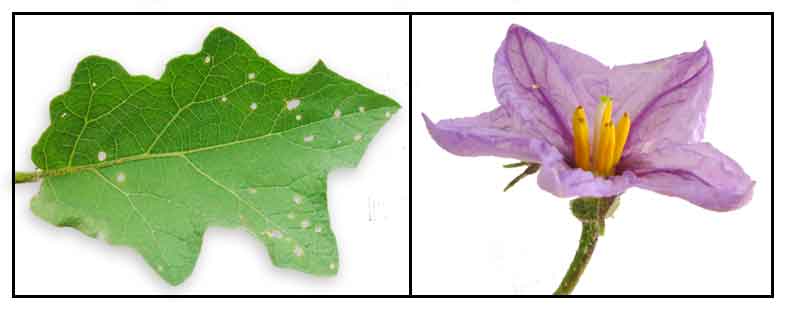
• Talong is a coarse, usually branched, prickly
or unarmed, erect, half-woody plant, growing to a height of 0.5 to 1
meter. Leaves are ovate to oblong-ovate, 10 to 25 centimeters long, stellate-hairy beneath,
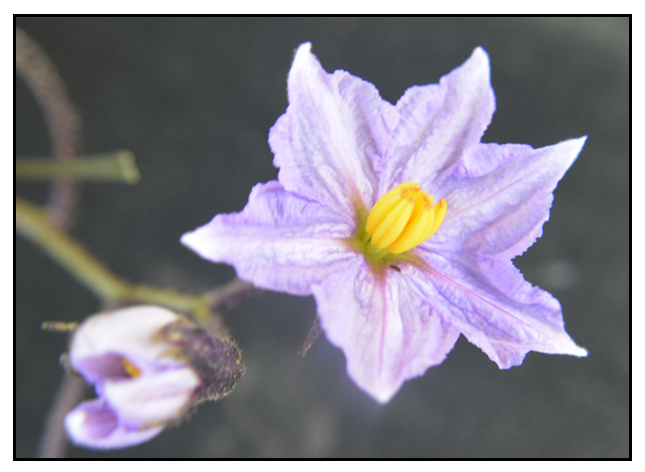
and irregularly or shallowly lobed at the margins. Flowers are axillary, purplish, about
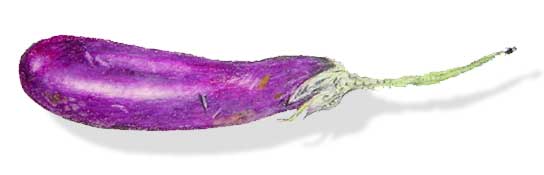
2.5 centimeters long. Fruit is fleshy, smooth, purple, up to 25 centimeters long, extremely variable
in shape, round, oblong, or cylindric-oblong.
• Growth form: Erect, branching herb up to 1.5 m tall. It is a perennial plant which is commonly grown as an annual. Foliage: Hairy leaves are ovate (egg-shaped) to ovate-oblong (elongated egg shape). Leaf margin is sinuately lobed, winding in and out like a repeating s-shaped pattern. Stems: Herbaceous stem becomes slightly woody over time. Flowers: Purple, funnel-shaped flowers have 5-6 pointed lobes which form a star-like shape. They are either bisexual or male. Fruit: The fruit, known as a berry, grows up to 40 cm long and 20 cm wide. It may be egg-shaped (with the pointed end at the base or apex), elongated or round to approximately round. The fruit has a smooth, glossy skin. (Flora & Fauna Web)
Distribution
- Native to the Philippines.
-
Cultivated throughout
the Philippines for the edible fruit; the elongated variety, the most
cultivated.
- Nowhere spontaneous.
- Also native to Assam, Bangladesh, Borneo, China South-Central, China Southeast, East Himalaya, Hainan, India, Jawa, Laos, Lesser Sunda Is., Madagascar, Malaya, Mauritius, Myanmar, Pakistan, Philippines, Réunion, South China Sea, Sri Lanka, Sulawesi, Thailand, Vietnam, West Himalaya.
- Cultivated in all warm countries.
Constituents
- Fruit contains trigonelline;
choline; vitamins A. B, and C; fat, 01%; and protein, 2.2 %.
- Phytochemical studies have yielded flavonoids, alkaloids, tannins and
steroids.
- Study isolated stigmasterol, stigmasterol-ß-D-glucoside, ß-sitosterol-ß-D-glucoside, dioscin, protodioscin, and methyl protodioscin.
- Nutrient analysis for raw eggplant per 100 g yielded: Proximates: water 92.30 g, energy 25 kcal, protein 0.98 g, total lipid 0.18 g, carbohydrate by difference 5.88 g, total dietary fiber 3.0 g, total sugars 3.53 g; Minerals: calcium 9 mg, iron 0.23 mg, magnesium 14 mg, phosphorus 24 mg, potassium 229 mg,
sodium 2 mg, zinc 0.16mg; Vitamins: vitamin C 2.2 mg, thiamin 0,039 mg, riboflavin 0.037 mg, niacin 0.649 mg, vitamin B6 0.084 mg, folate 22 µg, vitamin B12 0, vitamin A 23 IU, vitamin E 0.30 mg, vitamin D 0, vitamin K 3.5 µg; Lipids: total saturated fatty acids 0.034 g, total monosaturated FA 0.016 g, total polyunsaturated FA 0.076 g, trans FA 0, cholesterol 0. (33)
-
Phytochemical study of methanolic and aqueous extracts of dried and extracted crown removed from the fruit yielded the presence of alkaloids, saponins, steroids, tannins/phenolics, flavonoids, proteins, and carbohydrates. (34)
- Study of methanol extracts from purple fruit detected phenols, alkaloids, terpenoids, steroids, flavonoids, saponins, and anthraquinones. Total phenolic and flavonoid contents were 81 mg GAE/kg and 75 mg QE/kg, respectively. GC-MS analysis revealed 44 compounds, with quinic acid the most abundant (>60% peak area). (see study below)
(40)
 Properties Properties
- Roots considered antiasthmatic and stimulant.
- Leaves considered anodyne.
- Fruit considered cooling, digestive, phlegmatic.
- Studies have suggested analgesic, anti-inflammatory, hypolipidemic, bronchospasmogenic, hypotensive, xanthine oxidase inhibitory, antipyretic, antifungal, antioxidant, antiplatelet aggregation, antidiabetic, anticonvulsant, antiamnesic, antifungal, anticancer, antiulcer, cardioprotective, analgesic, antiherpetic, insecticidal, anti-metabolic syndrome, urease inhibitory, antibacterial properties.
Parts used
Fruits, roots, leaves.
 Uses Uses
Edibility / Nutritional
- Fruit is an excellent vegetable
and popular in the rural day-to-day cuisine. It is eaten before it ripens, preferred before the seed hardens.
- Unripe eggplants can be prepared whole, cubed, sliced, and fried, grilled, baked, roasted, or steamed.
- Also used in native pickles and curries in India.
- A good source of powerful antioxidants, such as nasunin and chlorogenic acids, and phytonutrients.
- A good source of vitamins A, B, and C.
- A good source of calcium, phosphorus, and iron; carbohydrates and fiber.
Folkloric
- Decoction of roots taken internally
for asthma and as a general stimulant.
- Leaves are used for piles.
- The boiled root of the wild plant, mixed with sour milk and grain porridge,
has been used for the treatment of syphilis.
- Decoction of roots, dried stalk, and leaves is used for washing sores,
exudative surfaces and used as astringent for hemorrhage from the bladder and other hemorrhagic fluxes.
- The juice of leaves used for throat and stomach troubles.
- Juice of the fruit, sometimes with pounded leaves, rubbed on suspected syphilitic eruptions of the hands.
- Fruit considered cooling, and bruised with vinegar
- Chinese and Annamites used the roots for skin diseases.
- The fruit is considered cooling, and bruised with vinegar, is used as a poultice for abscesses
and cracked nipples.
- In Taiwan folk medicine, roots are used
for rheumatism, inflammation and foot pain.
- Long fruit is phlegmatic and generative of phthisis, coughs, and anorexia.
- The peduncle, incinerated, used in intestinal hemorrhages, piles, and toothache.
- Seeds used as stimulant but may cause dyspepsia and constipation
- In French Guinea, decoction or infusion of leaves is used for stomach troubles and sore throat.
- In India, juice of various plant parts and pulp of fruits of S. melongena and its wild allies used for various ailments: diabetes, otitis, toothaches, cholera, bronchitis, asthma, dysuria, among many others.
Studies
• Hypocholesterolemic:
Study on human volunteers showed that S. melongena infusion showed a
significant reduction of the blood levels of total and LDL cholesterol
and apolipoprotein B. (1)
• Hypolipidemic: Study of New Zealand hypercholesterolemic white rabbits fed with diets supplemented with SM fruits showed significant reduction of TC, triglycerides, and LDL, with a 24.7% increase in HDL cholesterol. The strong hypolipidemic effect with the improved HDL/LDL ratio suggests a potential benefit for its use in the treatment of hyperlipidemic-associated ischemic heart disease and arteriosclerosis. (10)
• Bronchospasmogenic:
Methanol extract of fresh leaves of SM exerted a bronchospasmogenic
rather than a bronchospasmolytic effect, probably through muscarinic
receptor stimulation. (2)
• Bone Marrow and Chromosomal Aberration Protection: Study showed animals treated with both SM extract and Doxorubicin,
a potent antitumor drug, developed significantly fewer micronucleus
assay and chromosomal aberrations than those treated with DXR alone.
SM are rich in flavonoids with antioxidant activities. (3)
• Antipyretic / Analgesic : Study showed the dry residue of fresh juice produced significant
antipyretic (dose-dependent) and analgesic effect. The results support
its use in traditional medicine. (4)
• Analgesic Effect Similar to Morphine: Study of hydroalcoholic extract on formalin injection-induced pain showed an analgesic effect not significantly different from that of 4 mg/kg of morphine sulfate. (11)
• Hypotensive:
Study of SM extract on normotensive rats showed dose-dependent
hypotensive responses possibly through its influence on the renin-angiotensin
system and SME-induced diuresis. It suggests SME could be a potent hypotensive
agent. (5)
• Visual Benefits / Glaucoma : Study showed that Solanum melongena may be of benefit for patients suffering from raised intraocular pressure (glaucoma) and convergence insufficiency. (7)
• Phytochemicals / Xanthine Oxidase Inhibition:
Study yielded stigmasterol, stigmasterol-ß-D-glucoside, dioscin, protodioscin and methyl protodioscin. The that phytosterols 1, 2 and 3 that showed strong inhibition
of xanthine oxidase. (6)
• Antifungal: Different extracts of S melongena leaf were evaluated against three human pathogenic dermatophytes (Trichophyton mentagrophytes, T rubrum and T tonsurans) and two opportunistic fungi (C albicans T beigelli). Except for the water extract, all extracts showed significant antifungal property. (8)
• Birth Control: Plant and allies yield glucoalkaloids (solasodine) that are under investigation as oral contraceptive for birth control. (9)
• Phenolics: The Mayo Clinic and the ADA recommended an eggplant-based diet for the management of type 2DM. The rationale is a high fiber and low soluble carbohydrate content of eggplant. A study proposed a more physiologically relevant explanation in the phenolic-linked antioxidant activity and alpha-glucosidase inhibitory potential of eggplant which can reduce hyperglycemia-induced pathogenesis. It also showed moderate ACE-inhibitory activity.. The phenolic antioxidant-enriched dietary strategy also has a potential to reduce hyperglycemia-induced pathogenesis linked to cellular oxidation stress. (12)
• Peduncles in Periodontal Disease / Antioxidant: Aqueous peduncle extracts showed a higher capacity to scavenge free radicals than the fruit itself., increasing total antioxidant activity and glutathione levels in saliva of patients with periodontal disease. The extracts ameliorated pocket depth and bleeding index. Results suggest peduncles of Sm used a mouthwash has a beneficial effect against periodontal diseases. (13)
• Effect on Cholesterol-Induced Atheromatosis: Study evaluated the histological effect of Solanum melongena on experimental atheromatosis. Results showed lipid deposits could not be seen in paraffin sections just after one day. Vascular wall histological changes were earliest visible after 10 to 14 days with enlargement of the subendothelial space and honeycombed edema with fine dispersed lipids. (14)
• Phenolics as Inhibitors of Key Enzymes in Diabetes and Hypertension: Programs have suggested an eggplant-based diet with its high fiber and low carbohydrate content as a choice for management of T2 diabetes. Study showed phenolic-rich extracts from eggplant with moderate free radical scavenging-linked antioxidant activity had high alpha-glucosidase inhibitory activity and moderate high angiotensin-1 converting enzyme (ACE) inhibitory activity. (16)
• Microwave Assisted Extraction (MAE) of Phenolics: Study confirmed the presence of polyphenols in various parts of the eggplant, in particular skin, suggesting the entire vegetable as food. MAE (microwave assisted extraction may be an alternative to conventional methods of phenolic extraction. (17)
• Anticonvulsant Activity / Roots: Study evaluated S. melongena root extract for antiepileptic activity against experimental seizures. Results showed anticonvulsant effects and reduced mortality but the extract did not block tonic convulsions and clonic-tonic convulsion. (18)
• Antiplatelet / Antioxidant / Calcium Channel Blocking Activities: Study showed fractions of S. melongena possess antiplatelet, antioxidant, and calcium channel blocking activities. Fractionation may be responsible for the modification of the active compounds and their properties. (19)
• Corrosion Inhibit on of Mild Steel: Study of ethanol extracts of leaves of Solanum melongena showed to be a good adsorption inhibitor for corrosion of mild steel in HCl solution. Quantum calculations showed the active constituents of ethanol extract of leaves are carotene, nicotinic acid, ascorbic acid and riboflavin. (20)
• Antifungal: Study evaluated the antifungal property of chloroform, methanol, and aqueous extracts of S. melongena, Lawsonia inermis, and Justicia gendarussa against four common dermatophytic species, viz. Trichophyton mentagrophytes, T. rubrum, M. gypseum and M. fulvum. Results showed antidermatophytic activity and the C. extract of S. melongena was found to be most potent. (21)
• Anticancer / Fruit Peels: Study evaluated methanol extracts of peels of Solanum melongena against five human cancer cell lines. Study yielded five steroidal compounds; three steroidal alkaloids: solasodine (S1), solamargine (S4) and solasonine (S5) together with two steroidal glycosides: β-sitosterol-3-O- β-D-glucoside (S2) and poriferasterol-3-O- β-D-glucoside (S3). Results showed moderate to potent activities against the tested cancer cell lines. (22)
• Analgesic / Roots: Study evaluated the analgesic activity of plant roots. Phytochemical screening yielded saponins, alkaloids, glycoside, and flavonoids in various extracts. Results showed significant analgesic activity using the Hot Plate, Tail Immersion, and acetic induced methods in rats and mice. (23)
• Antiamnesic: Study evaluated the amnesic activity of a S. melongena extract using scopolamine, an inducing agent and memory disruptor on various behavioral parameters. Results showed antiamnesic property possibly through activity as direct free radical scavenger or regulator to inhibit acetylcholinesterase due to presence of phytoconstituents mainly flavonoids. (24)
• Antiulcer / Roots: Study evaluated a methanolic extract of roots of Solanum melongena in pylorus ligated and ethanol induced ulcer models in Wistar albino rats. Results showed significant dose dependent inhibition of gastric lesions in both models possibly through an antisecretory activity. (25)
• Effect on Blood Glucose: Study evaluated the antihyperglycemic effect of eggplant extract on diabetic wistar rat model. Results showed the eggplant extract may lower blood glucose level of diabetic rats to near normal, but the difference in dose do not affect the magnitude of decrease in blood glucose level. (26)
• Anti-Inflammatory / Leaves: Study evaluated an aqueous extract of leaves of S. melongena for anti-inflammatory activity using carrageenan-induced paw edema in Wistar albino rats. Aspirin was used as standard drug. Results showed significant anti-inflammatory activity. In doses of 200 mg/kg and 400 mg/kg, the aqueous extract showed percentage inhibition of 42.62% which is less than standard aspirin at 64.5% inhibition. (27)
• Analgesic Activity / Leaves: Study evaluated the central (hot plate and tail flick methods) and peripheral (acetic acid induced writhing test) analgesic activities of S. melongena ethanolic extract from air-dried leaves in experimental animals. Results showed significant central and peripheral (p<0.01) analgesic activity. (28)
• Comparative Cardioprotective Properties / Raw vs Grilled Eggplant: Study evaluated the role of raw and grilled eggplants on cardioprotection using an isolated perfusion heart model. Results suggest eggplants contain potent cardioprotective compounds as evidenced by their ability to increase left ventricular function and reduce myocardial infarct size and cardiomyocte apoptosis. There was no difference in cardioprotective ability between raw and grilled products. The antioxidant vitamins, including vitamin A, vitamin C and ß-carotene, were lower while some polyphenolic components, especially nasunin content, were higher in grilled eggplants. However, results did not suggest better cardioprotective properties compared to raw fruit. (29)
• Antioxidant / Stems and Leaves: Study evaluated the antioxidant activity of various extracts of leaves and stems of S. melongena, Using DPPH scavenging assays, all ethanol extracts of leaves and stem showed antioxidant activity. (30)
• Eggplant Agar as Screening Medium for Cryptococcus neoformans: Study suggests easily prepared eggplant agar is as functional as widely used media like simplified Staib agar and Pal's agar for the isolation of C. neoformans from the natural environment. (31)
• Insecticidal:Study of the insecticidal activity of ethanolic extract of Solanum melongena showed potent activity against Sitophilus oryzae, Carpenter ant, and Pantry weevil larvae. Results suggest a potential for a new natural insecticide that is active at highly acceptable levels, biodegradabe and without toxic residues. (32)
• Anti-Platelet Aggregation / Calcium Channel Blocking / Antioxidant: Study showed all fractions (aqueous, chloroform, and ethyl acetate)of S. melongena significantly reduced AA-evoked platelet aggregation in a concentration-dependent manner. The aqueous fraction showed the highest inhibitory effect. The fractions were more potent than standard aspirin as anti-aggregatory agents. All three fractions also exhibited antioxidant activities as evidenced by elevated levels of GPx, SOD, TAS, with the EA fraction being most potent. The chloroform fraction exhibited calcium channel blocking activity. (35)
• Antiherpetic / Antioxidant / S. melongena Genotype: Study evaluated the antioxidant and antiherpetic properties of DR2 eggplant (Solanum melongena) genotype. Samples exhibited antioxidant properties as evidenced by scavenging f different radical species and blocking of ROS generation by chelating mechanisms. The DR2-C extract exhibited antiherpetic properties, likely due to an impairment of specific steps of the virus life-cycle. The antioxidant properties could be involved in the antiviral effects. Results suggest potential application as dietary supplement and as topical formulations for herpetic skin lesions. (36)
• Nasunin: Nasunin, a major component of anthocyanin pigment, was isolated from eggplant peels. It has shown to be a potent antioxidant capable of scavenging free radicals, and is also a potent chelator of iron. It does not directed scavenge free radicals, but interferes with hydroxyl radical generation by chelating iron. Primarily present in the purple skin, nasunin is equally present in freeze-dried eggplants containing both flesh and skin. Nasunin is anti-angiogenic, hence, may not be suitable for new blood vessel formation. (38)
• Effect on Metabolic Syndrome / Review: Metabolic syndrome (MetS), also called syndrome X, is a risk for cardiovascular disease incidence and mortality. Risk factors associated with MetS are increasing age, obesity, physical inactivity, smoking, and positive family history. Review evaluated the effects of eggplant on MetS and its complications i.e., diabetes, high blood pressure, hyperlipidemia and obesity. Studies show eggplant can control diabetes through antioxidative processes and inhibition of
α-amylase and α-glucosidase activity, exert an antihypertensive effect via ACE inhibitory activity, protect against effects of hyperlipidemic and obesity via induction of lipoprotein lipase activity and reduction of pancreatic lipase activity. Eggplant has potential therapeutic potential in the treatment of MetS and its complications. (39)
• Antibacterial / Urease Inhibitory / Antioxidant / Purple Fruit: Study of a methanolic extract of fruit showed moderate antioxidant activity across DPPH, ABTS, reducing power, and phenanthroline assays, showed similar moderate effects in urease inhibition and anti-inflammatory assays, and strong antibacterial activity against all tested species. (see constituents above) (40)
• Comparative Antioxidant Potential / Ripe and Unripe Eggplant: Study evaluated the effect of ripening on the antioxidant properties of eggplant using invitro measures of DPPH radical scavenging, reducing properties, iron chelation, prevention of both deoxyribose degradation and lipid peroxidation by seeds and flesh of both ripa and unripe eggplant.. Results showed ripening increases radical scavenging ability and reducing properties of flesh, while iron chelating ability of flesh was no altered. On other measures, both flesh and seed of ripe and unripe eggplant exerted similar inhibitory effects. Study suggests when consumed raw, both ripe and unripe eggplants are potential antioxidant sources. (41)
• Effect on Blood Glucose and ß-Cells Regeneration / Purple Skin: Study of ethanol extract of purple eggplant skin effects on blood glucose and regeneration of pancreatic ß-cells of hypercholesterolemic-diabetic white male rats. Results showed 25 mg/kbw as the most effective dose. (42)
Availability
Cultivated for its
edible fruit. |


