Botany
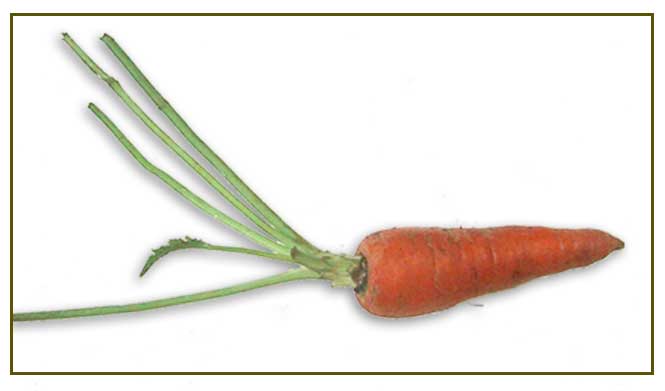
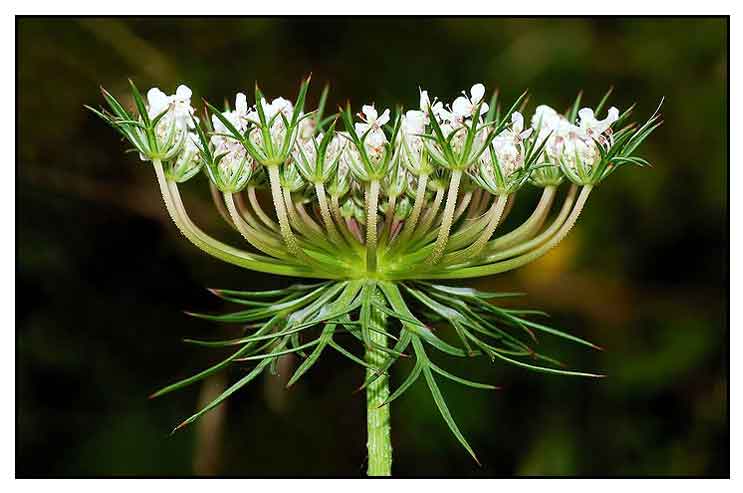
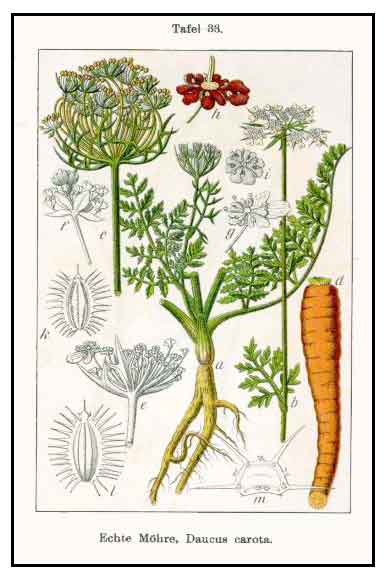
Carrot is an erect, vegetable herb, growing 30 to 60 centimeters in height, with 2 to 3 pinnate leaves, the ultimate leaflet being oblong-lanceolate or linear. Flowers are small, white, or yellow, borne in compound umbels. Fruit is small, ellipsoid, dorsally compressed, bristled and ribbed. The tap root is robust, sometimes swollen, fleshy, and yellow or orange-colored.
Distribution
- Cultivated for its fleshy roots.
- Grows best at high elevation, particularly the Baguio area.
- Introduced to the Philippines.
- Native of Europe, northern Africa, and Asia.
Constituents
- Leaves contain a volatile oil with pyrrolidine, daucine, and mannite.
- Roots yield volatile oil 0.0114%; fixed oil, carotin,
lecithin, phosphatide, glutamine, sugar 4 to 12%, d-glucose, malic acid, pectin 1 to 3%, asparagine, inosite, etc.
- Leaves and seeds yield an alkaloid; the seeds, in addition, yield a bitter glucoside.
- Nutrition value of fresh, raw carrots per 100 g yielded: (Principle) energy 41 cal, carbohydrate 9.58 g, protein 0.93 g, total fat 0.24 g, cholesterol 0 mg, dietary fiber 2.8 g; (Vitamins) folate 19 µg, niacin 0.983 mg, pantothenic acid 0.273 mg, pyridoxin 0.138, riboflavin 0.058 mg, thiamin 0.066 mg, vitamin A 16706 IU, vitamin K 13.2 µg; (Electrolytes) sodium 69 mg, potassium 320 mg; (Minerals) calcium 33 mg, copper 0.045 mg, iron 0.30mg, magnesium 12 mg, manganese 0.143 mg, phosphorus 35 mg, selenium 0.1 µg, zinc 0.24 mg; (Phytonutrients)
carotene-α 3427 µg, carotene-ß 8285 µg, crypto-xanthin-ß 0 µg, lutein-zeaxanthin 256 µg. (USDA National Nutrient Base) (21)
- Study of essential oils yielded main components of
α-pinene (27.44%), sabinene (25.34%), germacrene D (16.33%) inn leaves and geranyl acetate (52.45%), sedrone S (14.04%), and azarone E (11.39% in seeds. (see study below) (22)
- Essential oil of D. carota supbsp. carota from Portugal yielded high amounts of geranyl acetate (29%), α-pinene (27.2%), and 11aH-himachal-4-en-1ß-ol (9.2%). (see study below) (34)
- GC-MS study of ripe fruits, leaves, flowers and petals for essential oil identified 48, 37, 39 and 13 compounds from leaves, flowers, petals, and fruits, respectively. All organs were enriched with oxygenated sesquiterpenes with high content of carotol (68.3-78.3%), along with daucene (0.2-9.0%), trans-α-bergamotene (0.4-4.7%), trans-ß-farnesene (0.9-3.7%), ß-bisabolene (0.5-3.3%), α-pinene (1.3-3.1%), and ß-himachalene (0.1-2.6%). (see study below) (39)
Properties
- Astringent, antiseptic,
anti-inflammatory, antioxidant, sudorific.
- Considered aphrodisiac, nervine tonic.
Parts
used
Roots, seeds.
 Uses Uses
Edibility
- A valued vegetable, eaten raw or cooked.
- An ingredient of Philippine achara; also used in various native dishes.
-
Roots are a good source of calcium, iron, and phosphorus; a fair source of vitamin B; and a source of vitamins A, C and B2.
- In Java, the young leaves are eaten.
Folkloric
- Believed to be beneficial
for cancers and kidney problems.
- For coughs and chest afflictions, the roots are boiled in milk; the
milk is drunk and a poultice of the root is applied to the chest.
- In Mexico, roots are boiled in milk and used for coughs and chest affliction.
- For burns and infected ulcers, grated carrots are applied to the affected
parts.
- Ointment made from roots and lard used for burns and scalds.
- Raw carrots eaten as mechanical anthelmintic.
- Root made into marmalade used as refrigerant.
- Poultice of carrots also used for ulcers, carbuncles, infected wounds.
- Seeds of the plant when ground to powder and taken as tea for colic
and to increase urine flow.
- Tea of carrot blossoms has been used for treatment of dropsy.
- In India, seeds as considered a nervine tonic; Decoction of leaves and seeds used as stimulant to the uterus during parturition. In the Punjab, seeds are used as aphrodisiac and used for uterine pain. Fruit is recommended for chronic diarrhea. Seeds also used as abortifacient.
- Contraceptive effect mentioned in ancient Hippocrates writing; Seeds, harvested in the fall, are strong contraceptive if taken immediately after coitus." (24)
- In European folk medicine,
root decoction used for jaundice and hepatic disorders.
- In Persian traditional medicine, advice is given to avoid during pregnancy becuase of lieved emmenagogic, abortifacient and uterine stimulation properties. (33)
Others
- Oil: Carrot-infused oil: Blog describes the making of carrot-infused oil.
 Studies Studies
• Hepatoprotective / CCl4-Hepatotoxicity:
A study of carrot extract revealed it could provide significant
protective action in the alleviation of CCl4-induced hepatocellular
injury. (1) GC-MS analysis of a50:50 pentane:diethyl ester fraction yielded the presence of 2-himachalen-6-ol (61.4%). Fractions 3 and 4 were rich in phenolics and flavonoids and demonstrated significant DPPH activity and high FRAP values. Study showed hepatoprotective effects against CCl4-induced hepatotoxicity. (29)
• Antitumor: Study
of the petroleum ether extract of seeds of carrot showed antitumor activity,
inhibiting the growth of Ehrlich ascites tumor in mice. (2)
• Antifungal / Cytotoxicity:
Study or Daucus carota oil showed it to contain high amounts of elemicin
with its strong antifungal activity with cytotoxicity and low detrimental
effect on mammalian cells. (3)
• Cardiovascular / Hypotensive Effect:
Study of ethanolic extract exhibited Ca+ channel blocking-like direct
relaxant action on cardiac and smooth muscle preparation, an activity probably responsible
for its hypotensive effect. (4)
• Hepatoprotective / Lindane Hepatotoxicity:: Study of carrot extract showed it restored the depressed
antioxidants and HDL levels to near normal and afforded a significant
protective effect against lindane-induced hepatotoxicity. (5)
• Cardioprotective: Study results imply that D. carota is a potential source of protection from myocardial infarction and maintenance of its tonicity. (8)
• Hypolipidemic / Cognitive Dysfunction
Benefits: Daucus carota extract significantly reduced
brain acetylcholinesterase activity and cholesterol levels in mice. Results
suggest it may be a useful remedy for management of cognitive dysfunctions
with multifarious beneficial activities including memory improving property,
cholesterol lowering benefits and anticholinesterase activity. (6)
• Intraocular Pressure Lowering:
Topical application of DC seed extract in rabbits showed a comparatively
slower onset of action but the duration of action comparable to pilocarpine
in all experimental models. (7)
• Cognitive and Memory Benefits: Study of ethanol extract of D. carota suggest it may prove useful for the management of cognitive dysfunctions with memory improving property, cholesterol lowering and anticholinesterase activity. (9)
• Hypolipidemic:
Ethanolic extract of seeds exhibited a significant lowering of total cholesterol, triglyceride, HDL ?, and VLDL as compared to the control group. The antioxidant potential of seeds contributed to the reduction of oxidative stress and lipid levels in experimental rats. (10)
• Antinociceptive / Anti-Inflammatory:
Ethanolic seed extract investigated for anti-inflammatory and analgesic activity in acute and chronic models in rats inhibited carrageenan, histamine, and serotonin-induced paw edema. The extract also significantly attenuated the writhing responses induced by intraperitoneal acetic acid injection. (11)
• Anti-Dementia / Seeds:
Ethanolic extract of seeds was studied for its effects on memory in rats using several behavioral models. The extract showed significant improvement of young and aged rats in the elevated plus maze, H W maze and hexagonal swimming pool. The extract also reversed amnesia induced by scopolamine and diazepam. Results suggest DC to be a promising candidate for improving memory and a potential plant to explore for the management of Alzheimer patients. (14)
• Anti-Tumor / Antioxidant:
A water extract of Daucus carota exhibited relatively high free radical scavenging activity and antioxidant power. It also showed a suppressive activity against tumor production in mouse skin, possibly related to the antioxidant properties of the extract. (15)
• Peroxidases:
Peroxidases play an important role in a wise range of biochemical processes and can be used as sensitive and accurate stress markers. Study investigated the distribution of guiacol peroxidases in carrot root. (16)
• Nephroprotective / Gentamicin Toxicity / Toxicity Study / Roots: Study evaluated the nephroprotective effects of ethanolic root extract of Daucus carota against gentamicin-induced nephrotoxicity in albino Wistar rats. Results showed significant (p<0.01) dose-dependent decreased in gentamicin induced elevation in BUN, creatinine, and uric acid levels. No clinical signs of toxicity or mortality was seen on testing dose of 2000 mg/kbw for 14 days. (20)
• Antioxidant / Essential Oil / Seeds and Leaves: Study evaluated the composition and antioxidants effects of essential oils and methanolic extracts of seeds and leaves of wild carrot. GC and GC-MS analysis yielded 48 and 47 volatile compounds, respectively. Antioxidant activity by DPPH and TBA method showed the methanolic extracts of leaves and seed was more significant than essential oils. Results suggest the methanolic extract and oil have potential as natural additive in food industry to increase shelf life of food stuffs and in the pharmaceutical industry. (see constituents above) (22)
• Anticancer /
Human Breast Adenocarcinoma Cell Line / Pentane Fraction of Oil: Study evaluated the anticancer effect of D. carota oil extract fractions on human breast adenoCA cell lines MDA-MB-231 and MCF-7. Pentane fraction (F1) and 1:1 pentane:diethyl ether fraction (F2) showed highest cytotoxicity against both cell lines. Both fractions increased apoptotic cell death and chromatic condensation. Results showed the pentane-based fractions possess potential anticancer activity mainly mediated through the Erk pathway. (23)
• Hair-Growth Promoting Activity / Herbal Gel: Study evaluated hair growth promoting activity of PE and aqueous extracts of D. carota by application of standardized extract in gel formulation to the shaved dorsal skin of albino rats. Results showed promotion of hair growth by inducing an earlier anagen phase and prolonging the mature anagen phase. Results showed increase in both numbers and size of hair follicles of the extract treated group. Immunohistochemical analysis showed earlier induction of ß-catenin in hair follicles of the extract treated group. (26)
• Anticancer / Antioxidant / Oil Extract: Study evaluated the in vitro antioxidant activity and in vitro anticancer activities of D. carota oil extract on four human cancer cell lines viz. human colon (HT-29, CaCo-2) and breast (MCF-7, MDA-MD-231) cell lines. The DCOE showed antioxidant activity in all assays. The DCOE also exhibited significant increase in cell death and decrease in cell proliferation on the cell lines in a time- and dose-dependent manner. (27)
• Effects on Leukemia Cell Lines / Juice Extracts: Carrot contains beneficial constituents, such as ß-carotene and polyacetylenes. Study investigated the effect of carrot juice extracts on myeloid and lymphoid leukemia cell lines and normal hematopoietic stem cells. Results showed extracts from carrots can induce apoptosis and cause cell cycle arrest in leukemia cell lines. (28)
• Wound Healing / Roots: Study evaluated the wound healing of an ethanolic extract of roots on excision wound and incision wound models using a soft paraffin based cream formulations of 1%, 2%, and 4% w/w. In the incision wound model, there was increase in tensile strength, hydroxyproline and protein content. Results showed wound healing property attributed to various phytoconstituents like flavonoids and phenolic derivatives together with its antioxidant and antimicrobial potentials. (30)
• Gastroprotective / Roots: Study evaluated D. carota fresh juice extract pf roots for gastric ulceration experimentally induced by pyloric ligation, aspirin, and ethanol. The DCE at dose of 400 mg/kg produced 60.45, 56.80% and 43.51% significant inhibition, respectively. (31)
• Essential Oil / Antimicrobial / Anti-Inflammatory: On antimicrobial testing of EO showed significant activity towards Gram-positive bacteria (MIC 0.32-0.64 µL/mL), Cryptococcus neoformans (0.16 µL/mL) and dermatophytes (0.32-0.64 µL/mL). The EO exhibited some anti-inflammatory potential by decreasing NO production by around 20% in LPS-stimulated macrophages. The oil demonstrated a safety profile at concentrations below 0.64 µL/mL. (see constituents above) (34)
• Herb-Drug Interactions: Moderate interactions with: (1) Estrogens (2) Blood pressure medicines: (3 Photosensitizing drugs. (35)
• Antifertility / Effect on Reproductive Hormones and Estrous Cycle / Seeds: Study evaluated the antifertility effect of methanol extract of seeds on Swiss albino mice for 21 days. Results showed prolongation of estrous cycle with significant increase in duration of the diestrus phase. The number of litters was significantly less. There was significant lowering of serum estradiol level. Results suggest a reversible antifertility effect and impairment of oogenesis. (36)
• Acute and Sub-Acute Toxicity / Aerial Parts: Study evaluated the acute and sub-acute toxicity of crude extracts of aerial parts of D. carota using OECD guidelines in healthy Wistar rats. Acute toxicity testing showed no toxicity and mortality at 5000 mg/kbw in n-hexane, ethyl acetate and methanol extracts. In sub-acute toxicity testing using graded doses of 500, 1000, and 1500 mg/kbw, there was a significant difference (p<0.05) on body weight, hematological, liver and kidney function parameters. Results suggest the aerial parts of D. carota might not be safe for livestock and consumption may cause liver, kidney, and other related diseases in animal and man. (37)
• Green Synthesis of Enantiopure Quinoxaline Alcohols: Study reports on the synthesis of novel quinoxaline chiral alcohols in a simple, inexpensive, and eco-friendly method using D. carota as biocatalyst. (38)
• Essential Oil / Antimicrobial: GC-MS study evaluated ripe fruits, leaves, flowers and petals for essential oil. Antimicrobial tests showed gram positive bacteria B. subtilis and S. aureus were sensitive to the effect of EOs from all parts of D. carota. EO from fruits exhibited expressed activity against C albicans with 13 mm zone of inhibition and MIC 12 µl/ml. (see constituents above) (39)
• Antidiabetic / Hematinic / Anti-Cholesterolemic / Carrot Juice: Study evaluated the hypoglycemic, anticholesterolemic and hematinic activity of carrot juice in alloxan monohydrate-induced experimental model. Results showed statistically significant (p<0.001) anti-hyperglycemic, anticholesterolemic and hematinic effects. The effects on blood glucose and cholesterol were less effective than that of the insulin treated group. (40)
• Antiurolithiatic Activity / Root: Study evaluated the antiurolithiatic potential of D. carota root extract against calcium oxalate (CaOx) urolithiasis using in vitro methods. Results showed significant inhibition of nucleation, growth, and aggregation of CaOx crystals. It produced favorable morphologic transformation of CaOx crystals from calcium oxalate monohydrate to calcium oxalate dihydrate. Results suggest suggest significant antiurolithiatic activity against CaOx urolithiasis in vitro which could be attributed to saponins, tannins, flavonoids and polyphenolic content. (41)
• Selective Estrogen Receptor Modulators for Fertility Control / Seed Flavonoids: Seeds have shown a negative impact on reproductive hormone levels as well as on the estrous cycles in albino mice affecting fertility status. HPLC and MS techniques yielded a few polyphenols viz. catechin, epicatechin, eriobictyol, peonidine, cyanidin, and pelargonidin. The polyphenols showed excellent docking scores with high binding affinity towards the ERa receptor. Along with molecular dynamics simulation results, the selected flavonoids may act as potent estrogen receptor modulators influencing female reproductive pathway. Study justifies the ethnomedicinal use of D. carota seeds to control fertility. (42)
• Herbal Lipsticks: Study reports on the preparation of natural lipsticks made from standardized extract of carotenoid of carrots (Daucus carota) with a variety of castor oil base and an irritation test. Results showed all lipsticks were stable with a good force of application. The hedonic test showed favorable color, fragrant smell and oily texture. The lipsticks did not cause any irritation. The formulations met physical requirements, stability standard, and safety requirement. (44)
Availability
- Cultivated
market produce.
- Carrot seeds, essential oil, fruit oil, extracts in the cybermarket. |


