| 
 Gen
info Gen
info
• Theobroma cacao is one of 26 species belonging to the genus Theobroma of the mallow family Malvaceae.
• Etymology: Chocolate comes from the fruit of the kakaw tree. Kakaw's scientific name "Theobroma" means "food for the
gods," derived from the Greek words theo (god) and broma (drink).
•
In the Aztec language, the drink was called chocolati. In pre-Columbian times, its bean was a major currency with
great trading value.
• Cacao was first used by the Olmec, a tribe that inhibited the Gulf Coast of Mexico in 1500-400 BCE. ts medicinal benefits have been recorded in many old pre-Hispanic manuscripts.
(80)
•
The word cacao derives from Olmec and the subsequent Mayan languages (kakaw); the chocolate-related term cacahuatl is Nahuatl (Aztec language), derived from Olmec/Mayan etymology. (73)
• Chromatographic analyses of residues from pottery vessels show that cacao beverages were being made before 1000 B.C., extending confirmed use of cacao in Mesoamerica back at least 500 years. (54)
•
Recent studies have shown the early Olmecs prepared and consumed cacao, possibly in liquid form, in San Lorenzo (Mexico), as early as 1800-1000 BC. Analysis of 156 pottery samples from San Lorezao, La Loma, and Zapote sites confirmed the presence of cacao in 17% of the containers. Liquid cacao was detected in some samples. Also, its presence in elegant classic Maya vessels bears witness to the high value the ruling class attributed to the beverage. (82)
• The Aztecs regarded Xocoati
as a powerful aphrodisiac and stimulating tonic. Moctezuma, the 9th ruler of Tenochtitlan, is said to have indulged in a dose before entering the royal harem. (41)
• in pre-Columbian Mesoamerican civilizations, cacao beans were both ritual beverage and a major currency. A yearly tribute of 980 loads of cacao was given to the Aztec empire.
Eighty to a 100 quality beans could buy a new cloth mantle. (76)
• The current global production of cocoa beans is estimated at 3,520,000 tonnes while grinding is estimated at 3,678,000 tonnes for year 2008/09. Africa yields about 70% of cocoa production. Ivory Coast is the leader in cocoa production followed by Ghana and Indonesia. (12)
• Seeds are the most valuable part of the plant, providing source material for the production of chocolate. Trees start to produce fruit after five years and can live for over 200 years. However, they are considered commercially productive for only about 25 years. (41)
• There are three main cultivar groups of cacao beans used to make cocoa and chocolate: (1) Criollo: The cocoa tree used by the Mayas, highly prized and rare, less bitter, more aromatic, source of only 5-10% of chocolate made. (2) Forastero: The tree includes several sub-varieties, significantly hardier than Criollo tress, producing cheaper cocoa beans, used for making 80% of world chocolate production. (3) Arriba: Considered the best variety, one of the few cultivars suited to produce fine-flavor chocolate. Trinitario is a hybrid of Criollo and Forastero, used for about 10-15% of chocolate production. (54)
- Although native to the tropics of the Americas, the largest producer of cocoa beans in 2022 was Ivory Coast.
In 2023, cocoa beans were cultivated on roughly 11,650,000 hectares (26,800,000 acres) worldwide. (76)
• Chocolate is considered the third highest contributor of antioxidants to the American diet, 100-107 mg/day; compared to fruits at 255 mg/day, and vegetables 233 mg/day. (54)
 Botany Botany
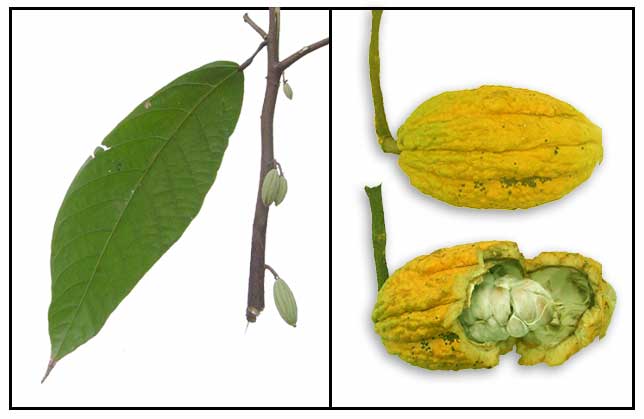
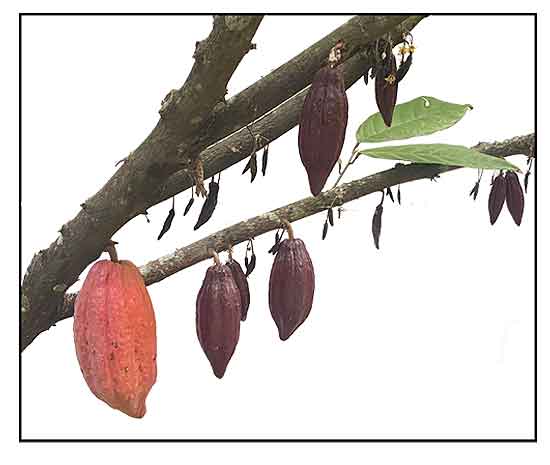
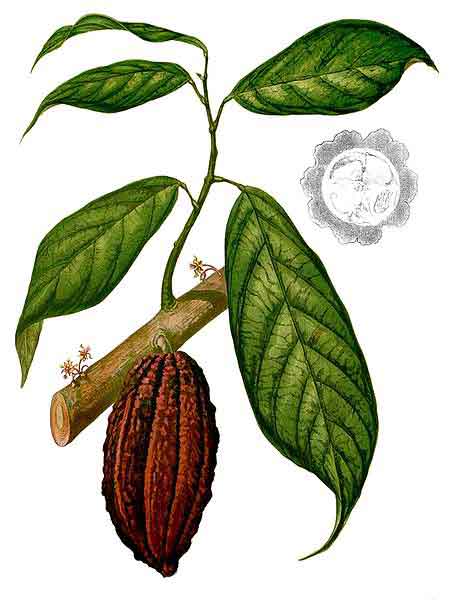
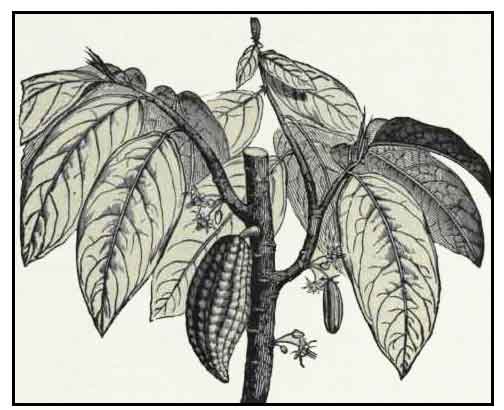
• Kakaw is a small evergreen tree with a globose crown, growing
to 5 to 8 meters high Leaves are alternate, entire, oblong-ovate to oblong, 15 to 40
centimeters long, 5 to 20 centimeters wide, with pointed tip and rounded base. Flowers are solitary or fascicled on the trunk and branches; yellowish
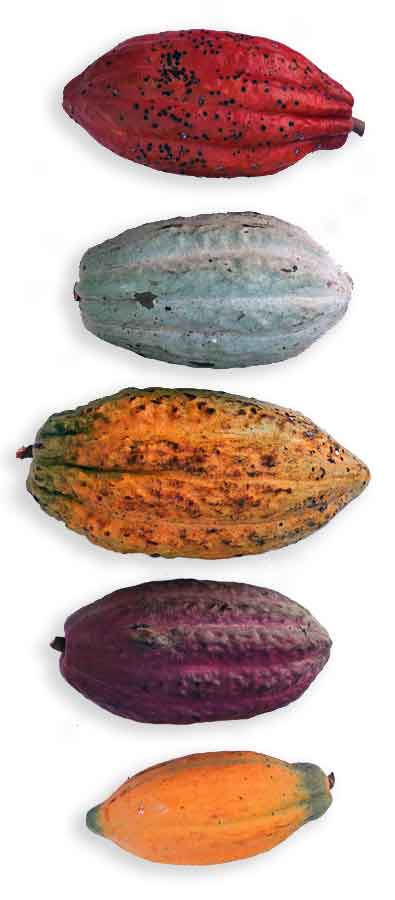
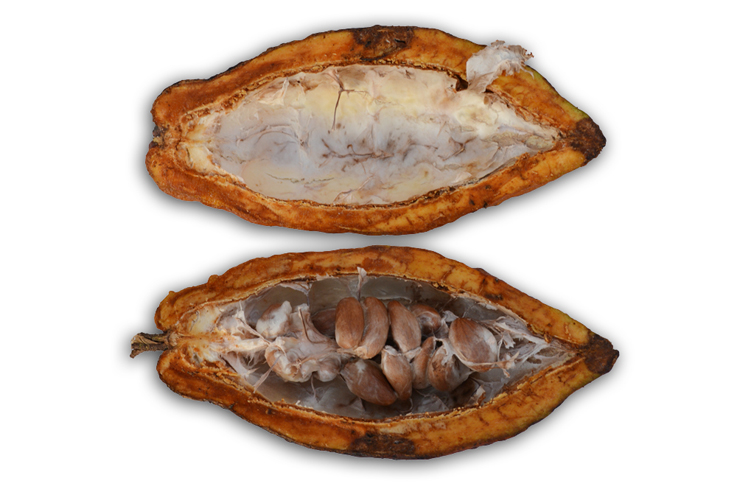
or nearly white, about 1 centimeter in diameter. Fruit is oblong, 10 to 15 centimeters long, prominently wrinkled, yellow or purplish. Seeds are numerous and embedded in whitish pulp; when ripe they rattle in the capsule when shaken.
• Theobroma cacao is an evergreen tree, to 12 m tall; bark thick, dark gray-brown. Branchlets brown, puberulent. Stipules linear, caducous; leaf blade narrowly ovate- to obovate-elliptic, 20-30 × 7-10 cm, both surfaces glabrous or sparsely stellate, base rounded to shallowly cordate, apex long acuminate. Inflorescence small and delicate, cymose. Flowers ca. 18 mm in diam.; pedicels ca. 12 mm. Calyx pink, lobes narrowly lanceolate, persistent, margin hairy. Petals 5, yellowish, lightly longer than calyx, lower part helmet-shaped and abruptly narrowed, reflexed, apex acute. Staminodes linear. Ovary obovoid, slightly 5-angular, 5-celled; ovules 14-16 per locule, in 2 rows; style cylindrical. Drupe ellipsoid or narrowly ellipsoid, 15-20 × ca. 7 cm, longitudinally 10-grooved; endocarp thick, fleshy, hard and woody when dried, 4-8 mm thick. Seeds 12-14 per cell, ovoid, slightly flattened, ca. 2.5 × 1.5 cm.
(Flora of China)
• The fruit of cocoa tree is a pod, or cherelle, which shape and colour can differ among morphogenetic groups. Each pod holds 20 to 60 seeds, or beans, embedded in a white pulp, and is constituted by a thick epicarp, of variable hardness and with a pigmented epidermis, a thin and hard mesocarp, more or less woody, and finally the endocarp. (Bertazzo et al., 2013).
Distribution
- Introduced from Mexico.
-
Widely scattered in cultivation at low and medium altitudes.
- Cultivated for its seeds.
- Nowhere spontaneous in the Philippines.
C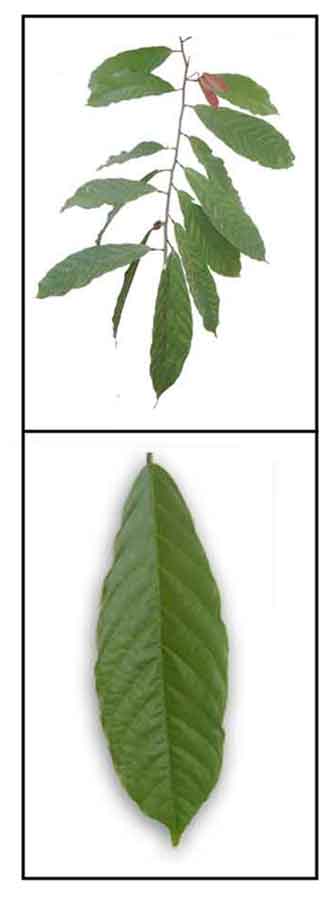 onstituents onstituents
- Cocoa contains approximately 380 known chemicals and 10 psychoactive constituents.
- Seeds
contain fixed oil, 40-56 %; theobromine; glucose, saccharose;
vitamin A, 825-1400 I.U. per 100 gm; cellulose, 2.8-5.4%; water,
5-7%; ash, 3-5%; starch, 5% and a glucoside, cacarine.
- Seeds yield about 2% theobromine, 40 to 60% solid fat. Shell contains about 1 percent theobromine.
- Each seed yields a significant amount of fat (40-50% as cocoa butter) and polyphenols which make up 10% of the whole bean's dry weight.
(13)
- The mesocarp and seed contain theobromine and caffeine.
- The wall and pulp of the fruit contain arabinose and
galactose.
-The flesh contain enzymes: protease, invertase, raffinase,
cesease and oxidase.
- Cacao is high in magnesium.
- High in antioxidants, approximately 40 times higher than blueberries.
- Possibly contains MAO inhibitors with effects on serotonin and
neurotransmitters.
- Contains PEA (phenylethylamine) and anandamine.
- High in polyphenols, with three main groups: catechins (37%), anthocyanins (4%) and proanthocyanidins (58%). The main catechin is (-)-epicathechin with up to 35% of polyphenol content. (11)
- Studies have yielded various polyphenolic compounds, viz., simple phenols, benzoquinones, phenolic acids, acetophenones, phenylacetic acids, hydroxycinnamic acids, phenylpropenes, coumarines, chromones, naphthoquinones, xanthones, stilbenes, anthraquinones, flavonoids, lignans, and lignins. (11)
- Study of phytochemical constituents of coca fruit outer shell yielded fats and oils +, steroids ++ , alkaloids +. tannins +++, phenolic compounds +++, cardiac glycosides +, saponins ++, flavonoids +++, proteins +++, tyrosine +, carbohydrates +, reducing sugars +, tannic acids ++, gums +++. (29)
- Crude ethanol extract of stem bark yielded alkaloids, tannin, saponin, glycoside, phenol, flavonoid, and carboxylic acid. (see study below) (32)
- Nutrient values of dark chocolate, 70-85% cacao solids, per 100 g yield: (Proximates) water 1.37 g,energy 598 kcal, protein 7.79 g, total lipid (fat) 42.63 g, carbohydrate by difference 45.90 g, total dietary fiber 10.9 g, total sugars 23.99 g; (Minerals) calcium 73 mg, iron 11.90 mg, magnesium 228 mg, phosphorus 308 mg, potassium 715 mg, sodium 20 mg, zinc 3.31 mg; (Vitamins) thiamine 0.034 mg, riboflavin 0.078 mg, niacin 1.054 mg, vitamin B6 0.038 mg, vitamin B12 0.28 mg, vitamin A 2 µg, vitamin A 39 IU, vitamin E 0.59 mg, vitamin K 7.3 µg; (Lipids) total saturated fatty acids 24.489 g, total monosaturated FA 12.781 g, total polyunsaturated FA 1.257 g, total trans FA 0.030 g, cholesterol 3 mg; (Others) caffeine 80 mg. (48)
- Each seed contains a significant amount of fat (40-50% as cocoa butter) and polyphenols, which make up about 10% of the whole bean's dry weight. Epicatechin concentrations among freshly harvested beans range from 21.89 to 43.27 mg/g of dry defatted samples.
(54)
- Study evaluating the volatile composition of cocoa from 16 accessions from three different morphogenetic groups, namely, Criollo, Forastero, and Trinitario profiled 53 compounds. Only a few compounds were found exclusively specific to one group, Trinitario. Trinitarion contained high contents of furfuryl alcohol, 3-carene, 2-pentanol, 1-pentanol, 2,3-butanediol, 2-heptanol, and benzyl acetate. Criollo cocoa contained high amounts of α-limonene, ß-caryophyllene, ß-myrcene, α-phellandrene, ß-linalool, and acetic acid. Forastero yielded high amounts of 3-methylbutanoic acid, 2-(2-butoxyethoxy) ethanol, anethole, and 2,4-pentanediol. (55)
- Phytochemical screening of aqueous seed extract revealed presence of flavonoids, saponins, tannins, alkaloids, glycosides, and reducing sugars. (see study below) (84)
 Properties Properties
- Considered emmenagogue and ecbolic.
- Emollient, diuretic, aphrodisiac, nutritive.
- Studies have suggested anti-carcinogenic, anti-atherogenic, anti-ulcer, anti-thrombotic, anti-inflammatory, immune modulating, anti-microbial, vasodilatory and analgesic properties.
- Theobromine resembles caffeine in action, with less powerful effects on the central nervous system.
- Rich source of polyphenols, reportedly with higher antioxidant activity than teas and red wines.
- Oil of Theobroma or cacao butter is a yellowish white solid, with odor resembling that of cocoa, tasting bland and agreeable.
(18)
- The feel good sensation with chocolate is attributed to the chemical phenylethylamine which might be partly responsible for the release and potentiation of brain dopamine. Higher concentrations of PEA are found in some cocoa beans and high quality cocoa powder.
- Studies have suggested
hypoglycemic, antiulcer, antioxidant, antiplatelet, antioxidative, antiproliferative, immunomodulatory, antimicrobial, antimalarial, antihyperglycemic, antihypercholesterolemic, antitumor, nephroprotective, antimalarial, antihypertensive, anti-Helicobacter pylori, anti-SARS-CoV-2, anti-obesity, nutrient, anti-inflammatory properties.
Parts
utilized
Seed, roots, oil, bark, flower, fruit pulp, leaves.
Uses
Edibility
- Cultivated for use in the manufacture of cacao, chocolate,
cacao butter, chocolate food, drink or fruit.
- Roasted seeds used as snack food.
- Pulp is eaten off the fruit and seed, with a taste akin to lychee or tropical melon. Also used for making juice, smoothies, jelly, and cream.
 Folkloric Folkloric
- In Zamboanga, del Sur, Philippines, poultice of young fruits applied to boils and skin inflammation. (59)
-
Oil or cocoa butter is an excellent emollient, used to soften and protect chapped hands and lips.
-
Eczema, dry skin:
Roast 10-12 seeds and pound ; apply to affected areas as poultice after
a warm compress.
- Root decoction used as emmenagogue (promotes or stimulates
menstrual flow) and ecbolic (promotes labor by stimulating uterine contractions.
- Husk is traditionally used to treat the pains of pregnancy, fevers, and coughs. (29)
- Pod of T. cacao and shaft of Elaeis guinensis are burned together, poured into a water container, and used to bathe kids infected with craw-craw (itchy skin disease caused by
larvae of filarial worm causing onchocerciasis migrating to the subcutaneous tissues). (38)
- In Nigeria, leaves used for wound healing, as worm expeller, and treatment of malaria. (53)
- In southwest Nigeria, decoction of bark of Theobroma cacao and leaves of Sorghum bicolor in 250 ml of water taken twice daily for treatment of anemia.
Bark of T. cacao boiled in water and mixed with hot pap as baby food. (60)
- In Ghana, leaf decoction used in traditional medicine for treatment of malaria. Leaf also used to treat asthma, weakness, diarrhea, fractures, loss of appetite, pneumonia, cough, colic, poisoning, and parasites. (61)
- In Trinidad and Tobago, used for kidney problems.
- In Douala, Cameroon, used for wound healing, depression, and stomach aches.
(68)
- In pre-Hispanic Mexico, cacao was the main ingredient of beverages exclusive to political, military, and trade elites. It was consumed in ritual ceremonies. It became one of the most coveted and delicious delicacies. As medicine, it is an ingredient of remedies for various disease: An ointment made of herbs, roots of trees, stones, pale earth and cacao flowers, or cacahuaxochitl, for foot injuries. A concoction of cacao seeds, selection of bark and leaves, flowers, herbs and water to combat fatigue. Some remedies prepared with cacao were used for treatment of fear and madness. Some preparations were made exclusively for the ruling class, the only ones authorized to drink cacao a restriction also enforced by the Maya. (82)
Others
- Cocoa butter:
Cacao butter (oil of theobroma) is an excellent emollient for use to prevent chapped
lips and hands. it is used in the manufacture of confections, toilet
articles and cosmetics; in pharmacy, used for pill coating and suppository
preparation.
- Fuel: The wood--light, soft, and of low durability--is of little value. Occasionally used for making charcoal. The cocoa bean testa is used for fuel. (42)
- Ceremonial Food: Cacao was a tree and food most prized by ancient Maya and Aztec, consumed during rituals and offered as sacraments to the gods.
- Preparation: Cocoa is prepared by grinding the beans into a paste between hot rollers, then mixing it with sugar and starch, with part of the fat removed. Chocolate is prepared in the same way, with the fat retained. (18)
 Studies Studies
• Hypoglycemic / Polyphenol Rich:
Study showed that Malaysian cocoa polyphenol extract has a potential
of being an insulin-mimetic agent. Further studies are suggested to
elucidate on the underlying mechanisms for its glucose reduction and
insulin mimicking activities. (2) In an acute and chronic animal study, the administration of cocoa extract reduced overall blood glucose in normal, obese, obese diabetic and diabetic rats. The polyphenol rich content is believed to have contributed to the outcome. (34) Study evaluated the hypoglycemic properties of Malaysian cocoa polyphenols extract in-vivo and in-vitro. In-vivo study in diabetic rats showed significant reduction of plasma glucose. In-vitro study showed significantly increased insulin secretion compared to control. Results suggest a potential for the polyphenols to be utilized to lower plasma glucose and stimulate insulin secretion in type 2 diabetic patients. (36)
• Anti-Ulcer:
Effects of polyphenol substances derived from Theobroma cacao on gastric
mucosal lesion induced by ethanol:
Study suggests that the antiulcer mechanism of the polyphenols was from
radical scavenging and modulation of leukocyte function. (3)
• Immune Activity: Study evaluated the effect of (-)-epicatechin and cocoa extract on the activation of a lymphoid cell line. Extract down-modulated T lymphocyte activation and the acquired
immune response which could be important in immune system reactivity such as autoimmune or chronic inflammatory
disease. (5)
• Flavonoids / Nitric Oxide / Endothelial
Function: (1) Study indicate flavanol-rich
foods provide extraordinary health benefits. In populations that no
longer consume large quantities of such foods, the risk of cardiac and
cancer deaths have significantly increased.
• Flavonoids / Decreased BP and LDL: Studies have suggested the antioxidants and flavonoids in dark chocolate with benefits of lowering effects on blood pressure and LDL cholesterol levels.
• Epicatechin: Epicatechin,
one of the bioactive nutrients in cocoa can promote blood vessel relaxation
and the cardio-benefits might not be antioxidant dependent.
• Human Platelet Reactivity Modulation / Platelet Function Inhibition: Study sought to evaluate whether a 28-day supplementation with cocoa flavanols and related procyanidin oligomers would modulate human platelet reactivity and primary hemostasis and reduce oxidative markers in vivo. Results showed significant increase in plasma epicatechin and catechin concentrations and significantly decreased platelet function. (6)
• Antioxidative Polyphenols: Study isolated clovamide, deoxyclovamide, quercetin and its glucoside. In the bulk oil system, clovamide had the strongest antioxidative activity. Results suggest that chocolate is stable against oxidative deterioration due to the presence of these polyphenolic compounds. (7)
• Inhibition of NO Release / Cytokine Secretion Inhibition: Study shows that cocoa flavonoids not only inhibit NO release from macrophages but also down-regulate inflammatory cytokines and chemokines. (8)
• Polyphenols / Antioxidative Activity: Study showed the polyphenol content and its antioxidant capacity vary among a wide range of cocoa and chocolate products, with processing making a great impact on the level of polyphenols. (11) Dark chocolate with its high cocoa content (>35%) is considered to have the richest polyphenols content in the group of cocoa derivatives. (13)
• Hepatoprotective / Apoptosis Prevention / Autophagy Induction: Study shows that cocoa inhibits drug-triggered liver cytotoxicity and prevents apoptosis by inducing autophagy. Results suggest that cocoa can be added to the list of natural chemopreventive agents with a potential for hepatopathy prevention and therapy. (9)
• Antioxidant and Biologic Activities / Cocoa Hulls: A supercritical CO2 extraction method shows cocoa hulls by-product to be a matrix rich in fiber (pectin) and phenolics. A better characterization of the bioactivity of the phenolic pigments is suggested for its potential use in food technology as functional colorant ingredient or antioxidant complex extract. (12)
• Colon Cancer Benefits: Study evaluated cocoa's effect in colon cancer, both in-vivo and in-vitro. Several preclinical studies concluded that dietary polyphenols, in large amounts, can exert a desirable effect. Cocoa is a food rich in polyphenols (flavonoids and phenolic acids). Its main flavonoids are flavan-3-ols, epicatechin, and catechin. Total polyphenols in raw cocoa is up to 60% in monomeric and oligomeric forms. In-vivo studies, demonstrated an antiproliferative effect of cocoa-rich diet. In-vitro studies were done on caco-2 cell line, considered as human epithelial colonic adenocarcinoma cells. Crude procyanidin and procyanidin-enriched extracts showed an inhibitory effect on G2/M phase of cell cycle, leading to non-apoptotic cell death. Studies have shown potential inhibition on pro-inflammatory mediators on TNF-α-sensitized Caco-2 cells. Study concludes suggesting large scale, long term, randomized, placebo-controlled studies. (14)
• Activated Carbon from Pod Husk / Arsenic Adsorption: Study showed cocoa pod husk material, a waste biomass, can be used to produce activated carbon by chemical activation and ZnCl2 showed to be the best chemical activation agent. The activated carbon can adsorb arsenic (As), up to removal levels of 80% in less than an hour. (15)
• Cacao and Cardiovascular Health: Review summarizes the available data on the cardiovascular effects of cocoa, highlighting its potential clinical implications associated with consumption. Possible mechanisms of its protective effects include (1) endothelial Function and NO (2) antioxidant properties (3) platelet function (4) anti-hypertensive effect (5) antiatherogenic effects including effects on insulin resistance and blood lipids. (17)
• Phenylethylamine (PEA) / Pros and Cons: (1) Phenylethylamine is a natural alkaloid, related to amphetamines, functioning as a central nervous system neurotransmitter or neuromodulator. (2) The feel good sensation with chocolate is attributed to the chemical phenylethylamine which might be partly responsible for the release and potentiation of brain dopamine. Higher concentrations of PEA are found in some cocoa beans and high quality cocoa powder. (3) Depending on the type of chocolate, a 100 /day of chocolate consumption provides between 0.36-0.83 mg/day of Beta-PEA. (3) PEA is also believed to increase the release of ACh (acetylcholine), possibly with mood and cognitive benefits. (4) Although sold as dietary supplement, some believe oral PEA is ineffective because of extensive presystemic metabolism. (5) Synthetic Beta-PEA at doses of 0.63 to 1.35 mg/day has been reported to cause Parkinson's symptoms through by-passing of presystemic metabolism. (6) The concerns relate to synthetic PEA additives—hybrid or GMO—not naturally occurring PEA, escaping enzymatic metabolic action, reaching the brain in trace amounts. (6) When initial PEA level is low, enzyme inhibitors can raise it 1000-fold; 3 to 4-fold when initial concentration is high. Long-term effects of unmetabolized beta-PEA from daily ingestion are unknown. (18) (19)
• Cacao Flavonoids on Immune Activation of Lymphoid Cell Line: Study evaluated the effect of (—)-epicatechin and cocoa extract on activation of lymphoid cell line. There was dose-dependent reduction of IL-2Ra (CD25) expression on activated cells. There was also IL-2 secretion inhibition and 3 to 4.5-fold increase in IL-4 release. In summary, the extract down-modulated T lymphocyte activation and the acquired immune response, which suggests a potential use in immune system hyperactivity such as autoimmune of chronic inflammatory disease. (20)
• Antiproliferative / Leaf: Study evaluated the potential anticancer properties from non-edible parts of the cocoa plant, viz., leaf, bark, husk, fermented and unfermented shell, root, cherelle, and pith. The hexane partitioned fraction of cocoa leaf showed the highest anticancer activity with IC50 value about 66.7± 0.71 µg/ml and generated 10 major active compounds with synergistic effect against MCF-7. (21)
• Effect of Roasting on Contents of Cocoa Beans: Study evaluated the effect of roasting conditions on the content of fat, tocopherol, and phytosterol and antioxidant capacity of the lipid fraction from cocoa beans. Results showed roasting significantly affected phytochemical composition and lipophilic antioxidant activity. Roasting may cause significant degradation of α-tocopherol and phytosterols compared to raw cocoa beans. (22)
• Clovamide / Antioxidant Activity: Study identified the caffeoylated amino acid clovamide [( - )-N-[3'-4' -dihydroxy-(E)-cinnamoyl]-dihydroxyphenylalanine] in the antioxidant polyphenolic fraction of cocoa and investigated the effect of roasting on its content in different samples of cocoa beans. Although roasting was found to be detrimental for the clovamide content, no correlation was found between clovamide concentration and overall antioxidant properties of the cocoa samples, suggesting clovamide is important but not critical for the antioxidant activity. (23)
• Bioactive Compounds for Skin Health: Cocoa is rich in bioactive compounds: polyphenols, theobromine and minerals. Lines of evidence support the role of cocoa in the promotion of human health, and a full understanding of the mechanisms of cocoa-derived phytochemicals as modulators of cell signaling is key to the evaluation of the potent biomolecules as anti-aging agents. (25)
• Effect of Cocoa Powder on Biologic and Hematological Parameters: Study evaluated the effect of consumption of cocoa powder on biochemical and hematological parameters in rat. Results showed significant reductions in total serum cholesterol levels, LDL-C and triglycerides with a significant increase in white blood cells. (26)
• Antioxidant / Cocoa Oil and Cake: Study evaluated the antioxidant activity of cocoa oil and cake using DPPH, hydroxyl radical generated from H2O2, and peroxide oxidation by ferric thiocyanate method. Results showed significant antioxidant activity (P>0.05) compared to antioxidant standards of BHA, ascorbic acid and α-tocopherol. (27)
• Review on Cocoa and Chocolates: Study reports on the composition, bioavailability, and comparative analysis of other food products, and their implications for cardiovascular disease and the immune system. Chocolate contains a high amount of saturated fats; however, the two major fatty acids, palmitic and stearic acids, appear to have fewer implications for progression of coronary artery disease than other saturated fats. (28) Chocolates is considered the third highest contributor of antioxidants to the American diet: 100-107 mg/day compared to fruits (255 mg/day) and vegetables (233 mg/day). (13)
• Cacao Herb Drug Interactions: (1) Caffeine: Although cocoa contains small amounts of caffeine compared to other caffeine-containing herbs, when taken in sufficient quantities, cocoa can produce levels of caffeine sufficient to cause interactions. (2) Anticoagulant or antiplatelet drugs: Cocoa flavanols might have antiplatelet effects, and may be additive with aspirin. (3) Antihypertensives: Dark chocolate may decrease blood pressure, although in large quantities, the caffeine in cocoa may have the opposite effect. (4) Iron: Cocoa may reduce the absorption of iron. (30)
• Antimicrobial / Pod Husk: Spontaneous aerobic fermentation of cacao husks yields a crude husk extract with antimicrobial activity. The CHE was found effect against yeast Saccharomyces cerevisiae and Moniliophthora perniciosa. Subfractions showed strongest antibacterial activity against S. cholerasuis and S. epidermis. (31)
• Antibacterial / Stem Bark: Crude ethanol extract of stem bark yielded alkaloids, tannin, saponin, glycoside, phenol, flavonoid, and carboxylic acid. The crude extract showed antibacterial activity against four human pathogens viz., E. coli, P. aeruginosa, S. pneumoniae and S. aureus. (32)
• Cardiac Benefits / Decreased DNA Methylation of Leukocytes: Study concludes cocoa consumption decreases global DNA methylation of peripheral leukocytes in humans with CVD risk factors. (33)
• Immunomodulatory: In a study of aqueous and ethanolic extracts of cacao on IFN-γ, neopterin and Kyn/Trp concentrations in mitogen-stimulated human peripheral blood mononuclear cells, breakdown of tryptophan by IDO, and formation of neopterin and IFN-γ were dose-dependently suppressed. The inhibition of tryptophan breakdown by cacao constituents could be relevant not only for immune system restoration, but also in its contribution to mood elevation and improvement in quality of life. (36)
• Amelioration of Oxidative Stress, Hyperglycemia, and Dyslipidemia in T1DR: Study evaluated an ethanolic extract of T. cacao bean extract for ameliorative effects in hyperglycemia and dyslipidemia in type 1 diabetic rats. Short term administration of bean extract caused substantial reduction in blood glucose but did not obliterate hyperglycemia. In the study form and doses, the extract exhibited comparative limited capacities to reduce oxidative stress and ameliorate dyslipidemia in T1-DR. (37)
• Phenolic Compounds and
Cancer Cell Lines Tested: Review lists the phenolic compounds found in Theobroma cacao and the biological effects and cancer cell lines tested: (1) Polymer procyanidins / Caco-2 (colon) (2) Procyanidin B2 / Caco-2 (colon), HL-60 (leukemia) (3) Epicatechin / Caco-2 (colon), SH-SY5Y (neuroblastoma), HepG3 (hepatoma), MCF-7 (breast) (4) 3'-O-methyl epicatechin / FEK4 (skin fibroblasts) and (5) Catechin / HepG2 (hepatoma), Caco-2 (colon), Int-407 (intestine). (40)
• Anti-Hyperglycemic Effect of Polyphenols / Seed: Study investigated the anti-hyperglycemic potentials of polyphenols extracted from fermented and unfermented Theobroma cacao seeds in Wistar rats with STZ-induced diabetes. Results showed anti-hyperglycemic effect--the 150 mg/kbw of fermented polyphenol was more potent and efficient in reducing activities of carbohydrate-degrading enzymes. (43)
• Antimalarial Potential / Antiplasmodial / Leaves: Study evaluated
three plants viz. Persea americana, Theobroma cacao, and Tridax procumbens for phytochemistry and antiplasmodial activity. Aqueous extract of leaves showed antiplasmodial activity. The aqueous extract of Theobroma cacao was most active and was more active against W2 than 3D7 Plasmodium falcifarum. (44)
• Antimicrobial / Antioxidant / Cytotoxicity / Seed, Leaf and Pod: Study evaluated cocoa leaf, seeds, and pod extracts for antimicrobial and anticancer activity. Seed extracts showed zone of inhibition against pathogens Serratia marcescens, Staphylococcus aureus, Salmonella sp. and Shigella dysenteriae. The extracts showed good amount of antioxidant activity. On cytotoxicity assay against MG63 osteosarcoma cell lines, all extracts showed deterioration in the cell lines, but the pods extract showed maximum inhibition. (45)
• Antitumor Activity
/ Antioxidant / Murine Lymphoma Model / Seeds: Study evaluated protein fractions of cacao seeds for antitumor activity on a lymphoma murine L5178Y model. Antioxidant activity was evaluated by ABTS and ORAC-FL assays. The albumin fraction showed antitumoral activity as evidenced by a significant decrease (p<0.05) in ascitic fluid volume and packed cell volume. Highest antioxidant activity by radical scavenging was shown by the albumin and glutelin fraction in both methods assayed. (46)
• Comparative Phytochemical Analysis of Cocoa and Green Tea: Study evaluated the phenols and flavonoid content and antioxidant capacity in cocoa and green tea. Results reveal that one serving of cocoa has higher amount of polyphenols than that of green tea. Cocoa yields 550 mg of total phenol (GAE) and 566 mg of flavonoids (ECE) compared to green tea with 168.8 mg of total phenol (GAE) and 353 mg of flavonoids (ECE). Percentage of oxidant scavenging capacity was significantly greater in cocoa than green tea. Study suggests cocoa has more beneficial effects for combating diseases like cancer and cardiovascular diseases and for boosting the immune system. (47)
• Antiproliferative / Antioxidant / Roots and Leaves: Study evaluated the antioxidant and antiproliferative activity of Theobroma cacao methanolic extracts of leaf, bark, husk, fermented and unfermented shell, pith, root, and cherelle. Using DPPH, TBARS, and Folin-Ciocalteu assays, the root extract showed the highest antioxidant activity, with total phenolic content of 22.0 GAE/100 g extract compared to extracts of other plant parts. The MTT assay showed the leaf extract to have highest antiproliferative activity against MCF-7 cells with MIC of 41.4 µg/mL. It showed cytotoxic effect in cancer cells, but not in normal cells. (49)
• Antidiabetic / Antioxidant / Antibacterial / Pod Husk: Study evaluated the antibacterial, antioxidant, and antidiabetic activity of three Indonesian plants.: Theobroma cacao, Anonna muricata, and Clitorea ternatea. Results showed the pod husk extract of Theobroma cacao of both variants (yellow and purple) showed good antioxidant activity and antidiabetic activity with IC50 of 41.3 and 44.5 µg/mL for DPPH assay, and 41.6 and 27.7 µg/mL for α-glucosidase inhibitory assay, respectively. The pod husk also possessed most active extracts against Staphylococcus aureus with MIC of 0.62 mg/mL. Phenolic molecules were also detected in the extracts. (50)
• Anti-Helicobacter pylori / Dried Seeds: Study evaluated the in-vitro anti-Helicobacter pylori properties of n-hexane and methanol extracts of dried seeds of Theobroma cacao in 41 H. pylori isolated from a cross-section of residents and standard H. pylori ATCC 43504 strains. The methanol extract showed varying degrees of inhibition, with ZOI between 12 mm to 17 mm on 31 of 41 clinical isolates with MICs of 80 to 90 mg/mL. Results suggest regular consumption of T. cacao seed or its products could greatly reduce the incidence of peptic ulcer and chronic gastrointestinal inflammation caused by the common gastric pathogen, H. pylori. (51)
• Inhibitory of SARS-CoV-2 Protease: Cocoa beans contain antioxidant molecules with potential to inhibit type 2 coronavirus (SARS-CoV-2), which causes a severe acute respiratory syndrome (COVID-19). In silico tests, molecular docking and quantum mechanics calculations evaluated five compounds in the series: amentoflavone, isorhoifolin, nicotiflorin, naringin, and rutin and their ability to bind to the main viral protease. Isorhoifolin and rutin stood out with more negative binding than the reference inhibitor. Results are consistent with high affinities of these molecules for the major SARS-Cov-2. The study can be a solid starting point for future in vitro and in vivo experiments to validate the molecules and/or test similar substances as inhibitors of SARS-CoV-2 protease. (52)
• Anthelmintic / Antioxidant / Leaves: Study evaluated the antioxidant and anthelmintic activities of aqueous and ethanolic extracts of leaves. Phytochemical screening yielded tannins, saponins, glycosides, and phenols in all extracts, while flavonoids were present in the ethanolic extract only. The aqueous extract showed higher DPPH scavenging activity while the ethanolic extract showed higher ferric reducing power, total phenolic content, and anthelmintic potential against Pheretima posthuma. All extracts exhibited significant anthelmintic activity comparable to albendazole. (53)
• Fermentation of Beans: Fermentation of cocoa beans is crucial in the development of precursors for chocolate flavor. In well fermented beans, the color of the bean change from purple to brown. The polyphenols undergo various reactions: epicatechin diffuses from storage cells, undergoes oxidation and polymerization reactions to form complex tannins. Fermentation of cocoa beans decrease epicatechin content concentration to 2-17 mg/g. (54)
• Volatile Compounds in Seeds: Study evaluated the volatile composition of cocoa from 16 accessions from three different morphogenetic groups, namely, Criollo, Forastero, and Trinitario. Fifty-three compounds were profiled. (see constituents above) (55)
• Antidiabetic / Antihypertensive / Antioxidant / Bean: Study evaluated the antidiabetic and antihypertensive mechanisms of Theobroma cacao through inhibition of α-amylase, α-glucosidase, angiotensin-1 converting enzyme, and oxidative stress. The extract inhibited α-amylase, α-glucosidase, and ACE activities in a dose-dependent manner and also showed dose-dependent radicals scavenging activity by DPPH assay., which could be part of the possible mechanisms for the management and/or prevention of diabetes and hypertension. (56)
• Anticancer / Antioxidant / Seed: Study evaluated the antioxidant and potential anticancer activities of seed extract. Phytochemical screening yielded cardiac glycoside, phenol, tannin, steroid, terpenoid, alkaloid, saponin, and flavonoids. In vitro free radical scavenging activity was evaluated via DPPH, NO, lipid peroxidation and reducing power assays. The A. cepa assay revealed significant influence of the extract on mitotic cell division in a concentration dependent manner. The antiproliferative effect suggests a potential anticancer property. (57)
• Clovamide / Antioxidant / Seed: Study of a phenolic fraction of seeds yielded clovamide (trans-clovamide,92S)-3-(3,4-dihydroxyphenyl)-2-[[(E)-3-(3,4-dihydroxyphenyl)prop-2-enoyl]amino]propanoic acid), a naturally occurring caffeoyl conjugate and potent antioxidant. The catechol moieties in clovamide play a major role in radical scavenging mechanism. It contributes to antioxidant activity of cocoa, as a minor component. It is reduced by roasting but recovered in subsequent manufacturing steps. (58)
• Antimalarial / Acute Toxicity Study / Leaves: Study evaluated the antimalarial property of Theobroma cacao leaf extract in Plasmodium berghei-infected mice using doses of 100, 200, and 400 mg/kg daily for four days. Percentage parasitaemia suppression was significant for all doses. Maximum dose of 400 mg/kbw showed highest % of parasitaemia suppression of 79.19%. Acute toxicity study in Swiss albino rats using OECD guidelines showed no gross physical and behavioral changes and no mortality at dose level of 2000 mg/kbw. Results reinforces the justification of the plant use for treating malaria in Ghana. (61)
• Anti-Obesity / Antidiabetic / Polyphenols / Seeds: Study of raw and roasted cocoa beans of Forastero variety phenolic extracts sought to evaluate for anti-obesity, cytoprotective or insulin signaling regulator properties. Obtained preparations were in vitro investigated for PTP1B inhibition and cytoprotective activity against oxidative stress using human hepatoma HepG2 and mouse pancreatic ß-TC3 cell lines. The influence of preparations on fat tissue and antioxidant properties in vivo on rat model was studied. Results suggest the cocoa phytochemicals are potential modulators of insulin signaling, and protect beta and hepatic cells against cellular damage induced by excessive oxidative stress. Study suggests potential anti-obesity properties of roasted cocoa bean extract rich in MRP, making it a promising candidate for prevention of diabetes and associated metabolic disorders. (62)
• Anti-Inflammatory / Stem Bark: Study evaluated the anti-inflammatory activity of T. cacao stem bark ethanol extract and fractions using erythrocytes membrane stabilizing assay and carrageenan induced paw edema. The ethanol extract and its ethyl acetate fraction demonstrated anti-inflammatory activity partly by reducing neutrophil migration and inflammatory mediator production. (63)
• Tyrosinase Inhibitory Activity / Antioxidant / Pod Husk: Study sought to formulate phytosome containing cocoa pod extract, develop phytosome complex into face serum preparation, and determine antioxidant and tyrosinase inhibitory activities of the extract and formulated serum. The coco pod extract showed very strong antioxidant activity with IC50 of 17.21 ppm. Extract also showed tyrosinase inhibitory activity with IC50 of 199.98 ppm. The formulated face serum has good physical characteristic and antioxidant and tyrosinase activities that equal marketed product (Hadalabo ultimate whitening milk, Rohto, Indonesia). (64)
• Effect on Cancer Cell Survival / Antioxidative: Study sought to elucidate the possible role of cocoa in cancer therapy. Analysis revealed 34 bioactives in cocoa targeting 50 proteins regulating 21 pathways involved in cancer and oxidative stress in humans. EGFR (epidermal growth factor receptor) complex scored the highest edge count among 50 targets modulating 21 key pathways. A stable complex formation of EGFR-Hirsutrin was observed during 100 NS MD simulation. In vitro studies corroborated antioxidant activity for cocoa extract and showed significantly higher cytotoxic effect on cancer cells compared to normal cells. Results predicts anti-cancer activity for cocoa affected by hirsutrin inhibiting EGFR. (65)
• Hypoglycemic / Cocoa Autolysates: Cocoa autolysates have shown hypoglycemic activity. Cocoa autolysates produced at pH 3/5 showed most active a-amylase inhibitors. Analysis of amino acid composition showed cocoa autolysates were abundant in hydrophobic amino acids. Study suggests that besides other compounds of cocoa, its peptides and amino acids could contribute to health benefits. (66)
• Anti-Alopecia / Waste Cocoa Peels: Hair loss (alopecia) is the most common hair problem. Study evaluated the growth stimulant activity of cacao fruit peels. Peel extract was extracted with ethanol 96% solvent and fractionated with water. Various dilutions were tested in rabbits. Results showed ethanol extract of fruit peel effluent had hair growth stimulating activity starting at concentration of 15%, The n-hexane fraction showed best activity compared to other fractions and positive control (minoxidil 2%) . Waste cacao peels ethanol extract showed hair growth stimulant activity at concentrations above 15%. (67)
• Toxicological Studies on Proprietary Blend of Punica granatum and Theobroma cacao: Study evaluated LN18178 (Tesnor®), a standardized proprietary composition of aqueous ethanol extracts of Punica granatum fruit rind and Theobroma cacao seeds. In vivo and in vitro toxicological evaluation following OECD guidelines did not show any clinical signs of toxicity and morbidity in acute oral and dermal toxicity tests with medial lethal dose (LD50) of at least 5000 mg/kg and 2000 mg/kbw, respectively. Ina 90-day subchronic repeated oral dose toxicity study, there was no sign of toxicity, changes in organ weights, or changes in hematological and chemical parameters. It was neither mutagenic nor clastogenic. It did not elicit genetic toxicity in standard preclinical models. (68)
• Anti-Sickling / Antioxidant: Sickle cell anemia is a genetic disease associated with high mortality in Africa. Study evaluated the antioxidant and anti-sickling properties of cocoa extracts from two localities of Cameroon: EFCM and EFCB. Both extracts showed high levels of polyphenols, flavonols respectively, an increase in reducing antioxidant power (FRAP), strong radical scavenging properties. The EFCM extract showed better ability to reduce RBC sickling and to protect the erythrocyte membrane from hemolysis. Results suggest cocoa beans, especially EFCM, could be used in the management of sickle cell anemia. (70)
• Antidiabetic / Anti-Inflammatory / Husk: Theobroma cacao husks are considered agricultural wastes. Study evaluated the antidiabetic, anti-inflammatory, and cytotoxic potential of T. cacao husk aqueous extracts. Results showed a significantly higher dialysis retardation index (GDRI) by the 10% TCE than other concentrations (13,5,7%) (p<0.05), with activity comparable to 5% metformin. Anti-inflammatory assay showed significantly higher inhibition rate of 10% TCE (p<0.05) with activity comparable to diclofenac. Cytotoxicity assay in brine shrimp lethality showed less than 50% mortality after 24h exposure. (71)
• Metabolite Storage in Seeds / Cytohistological and Phytochemical Analysis: Study provides information about storage of some metabolites in various components of cocoa seed by microscopical and phytochemical analysis. Polyphenols, sterols, tocopherols, and fatty acids were detected in different portions of the seeds (teguments, cotyledons, embryo axis and pulp). Among fatty acids, stearic and oleic acids were most abundant in all seed components. In cocoa seeds, ß-sitosterol and campesterol were less present in embryo axis and more abundant in teguments; campestanol was higher in teguments but lower in cotyledons. The specific location of different sterols is probably related to a particular function. Study demonstrated all seed components contribute to metabolites storage, with interesting differences in localization and amount of each metabolite. (72)
• Transdermal Hydrogel Formulation for Drug Delivery: Hydrogel formulation containing cocoa hydrogel was successfully prepared and showed effective carrier for transdermal drug delivery. The formulated hydrogel was optimized for pH, viscosity, drug release, extrudability, and homogeneity. The dermal route bypasses the disadvantages of oral route and maintains consistent plasma levels for single dose therapy. The study showed T. cacao extracts and gel have both potent antimicrobial activity against various skin pathogens. The hydrogel showed good drug release and increased bioavailability, and better radical scavenging effect than standard ascorbic acid. The higher ROS quenching ability of TCHG compared to T. cacao extract suggests potential as an effective transdermal formulation. (74)
• Antimalarial / Leaves: Study evaluated the antimalarial activity of T. cacao leaves in Plasmodium berghei-infected mice using doses of 100, 200, and 400 mg/kg daily for four days. The maximum dose of 400 mg/kbw showed highest % parasitaemia suppression of 79.19%, and lowest body temperature reduction of 0.79°C. Study reinforces the use of the plant for treatment of malaria in Ghana. (75)
• Bioactive Components of Residues / Antioxidant / Mucilage and Bean Shells: Study evaluated the profile of bioactive compounds in cocoa fruits external parts (bean shells, pods husk, mucilage, and placenta) which are considered cocoa by-products. The mucilage and bean shell residues of two varieties showed strong antioxidant activity. There was a positive relationship between content of polyphenols, flavonoids, and antioxidant activity. Cocoa residues have potential as functional ingredients for various uses in the food industry. (77)
• Anti-Obesity Effect: Study evaluated the effect of Cocoa Proteins (CP) from cocoa-bean in reducing factors related to obesity and activated related gene targets against white adipose tissue (WAT) dysfunction in a rat model of hypercaloric diet-induced obesity. Administration of 150 mg/kg/day of CP on a hypercaloric diet reduces body-weight gain, relative weight of WAT, serum triglycerides, NEFAs, insulin, leptin levels, and pro-inflammatory factors, with increase in serum HDL, activation and repression of mRNA of transcription factors and proteins related to WAT dysfunction. The CP prevented dysfunction in WAT which is related to obesity by done-regulation of factors related to lipogenesis and upregulation of those factors related to energy expenditure, lowering the release of triglycerides and DEFAs into peripheral tissues, thus decreasing pro-inflammatory processes. (78)
• Anticancer and Anti-Inflammatory / Nanoparticle Studies: Study evaluated the anti-inflammatory and anticancer effects of T. cacao extracts combined with nanoparticles using in vitro and in vivo studies. In vitro studies found cocoa extracts, alone or in combination with nanoparticles, inhibit cancer cell proliferation, induce apoptosis and modulate key signaling pathways in various cancer cell lines. Extracts were found to reduced tumor growth and enhance the efficacy of conventional chemotherapeutic agents, reducing side effects, in vivo. Anti-inflammatory properties were via its ability to modulate inflammatory mediators, inhibit NF-kB signaling, and regulation of macrophage polarization. Effects were observed in both cellular and animal models of inflammation. Study highlights its potential as a complementary approach in the treatment and prevention of cancer and inflammatory disease. (79)
• Functional and Nutrient Effects of Cacao Powder Incorporation on Wheat-Cereal Bread: Study evaluated the potential of cacao flour addition on wheat-cereal bread in terms of nutritional composition, physical, antioxidant, and sensory characteristics. Fat and protein contents were 9.45-10.83% and 11.25-13.87% while fiber and ash were 2.66-3.86% and 1.13-2.89% respectively. Results showed significant increase in DPPH free radical scavenging activities in range between 55.00 and 75.00%. Total phenolic and flavonoids ranged between 4.59-6.98 mg/g GAE and 6.77-9.91 mg/g QE. The bread rated higher than control in organoleptic properties. Results showed W60M20C20 (60% wheat, 20% maize, 20% cocoa flour) have higher nutritional composition, free radical scavenging activities, and total phenolic compounds. Results suggest potential for W60M20C20 as functional bread and used for nutritional intervention and prevention of hyperglycemia. (81)
• Cocoa-Based Cream / Anti-Inflammatory: Study evaluated the anti-inflammatory properties of cream based on cocoa. Different levels of cocoa butter were studied in combination with plantain infusion to obtain the anti-inflammatory cream. Effect was measured by length of healing time in wounds induced in young guinea pigs. Results showed treatment 4 (A2B2) (54% cocoa butter + 27.89% plantain infusion_ showed best results, even superior to traditional creams. (83)
• Nephroprotective Against Arsenic Induced Toxicity / Seed: Study evaluated the nephroprotective effects of aqueous seed extract of T. cacao against arsenic trioxide (ATO)-induced renal toxicity in Wistar rats. ATO exposure caused significant reductions in SOD and CAT activities and a marked increase in MDA levels, indicating oxidative stress and lipid peroxidation. Co-admninistration of T. cacao significantly improved SOD and CAT levels and reduced MDA concentrations, with more pronounced effects at dose of 250 mg/kg. GPx levels were not significantly altered. Results suggest the seed extract afforded protective effect against nephrotoxicity via enhancement of antioxidant enzyme activity and reduction of oxidative stress. Results suggest potential for integration into protective strategies against heavy metal-induced organ toxicity. (84)
• Antihypercholesterolemic / Flavonoids / Leaves: Study evaluated the antihypercholesterolemic activity of flavonoid extracted from the leaves of T cacao on Triton X-100-induced hypercholesterolemia in albino rats. The flavonoid extracted from leaves showed antihypercholesterolemic activity with not significant difference between standard drug Simvastatn. (85)
• Antioxidant / Leaves: Cocoa shoots (CS), young leaves (CL), and tea leaves (GT) were processed according to green tea processing procedures and evaluated for antioxidant properties in measures of polyphenol content. Total polyphenol of CS, CL, and GT were 19.0, 28.4, and 17.3 mg/100 mg, respectively. Main catechin polyphenols were epicatechin (EC), epigallocatechin gallate (EGCG), epigallocatechin (EGC), gallic acid (GA), and epicatechin gallate (ECG). Concentrations of caffeine were 2.24, 1.33, and 3.34 mg/100g respectively. EGCC concentration in cocoa leaves were lower than commercial green tea.. However, EC in CS (5.93) and in CL (2.82 mg/100g) were significantly higher than in green tea (0.65mg/100mg). Study suggests cocoa leaves extract have potential to complement or replace synthetic antioxidants in aqueous and oil-based food applications. (86)
Drug interactions
• Moderate Interactions: (1) Adenosine: The caffeine in cocoa might block the effects of adenosine (Adenocard), a drug often used in cardiac stress testing. Advise is to abstain from cocoa or other caffeine containing products at least 24 hours before a cardiac stress test. (2) Clozapine: Caffeine in cocoa may decrease the rate of break down of clozapine. (3) Dipyridamole (Persantine): Dipyridamole is used in cardiac stress testing. Stop the drug 24 hours before the stress test. (4) Ergotamine: Caffeine can increase the absorption of ergotamine. (5) Estrogen: Estrogen can decrease the breakdown of caffeine. (6) Lithium: Cocoa caffeine may increase the rate of lithium elimination. (7) MAO Inhibitors: Consumption of cocoa with MAO inhibitors (medications used for depression) might cause increased stimulation, increased heart rate, high blood pressure, nervousness, etc. (7) Hypoglycemics: By increasing blood sugar, cocoa might decrease the effectiveness of some antidiabetic medications. (8) Theophylline: Cocoa can decrease the rate of elimination of theophylline and augment its effects and increase its side effects.
• Minor Interactions: Minor interactions may occur with antibiotics, birth control pills, cimetidine, disulfiram (Antabuse), fluconazole, mesiletine, verapamil. (39)
Availability
- Cultivated.
- Extracts and oils in the cybermarket. |


