Gen info
- Sorghum is a genus of about 25 species of flowering plants in the grass family, Poaceae.
- Sorghum bicolor was originally domesticated in Africa, but has now spread worldwide.
-
Some species are grown as cereals for human consumption. Some species are used as fodder plants, cultivated in warm climates worldwide or naturalized in pasture lands. (42)
Botany
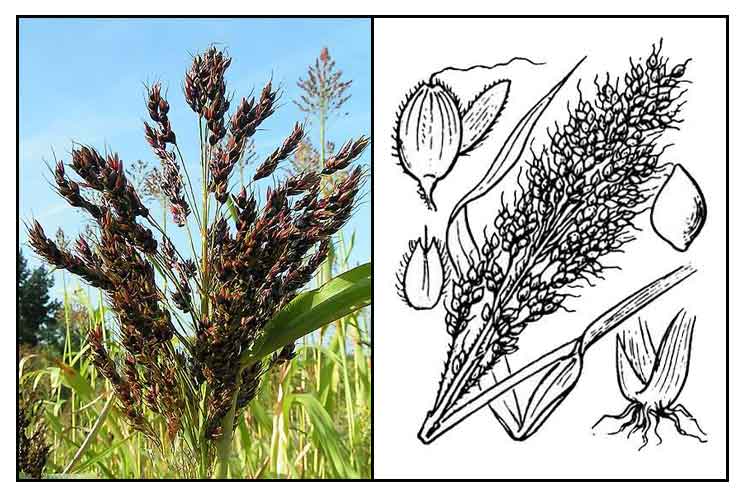
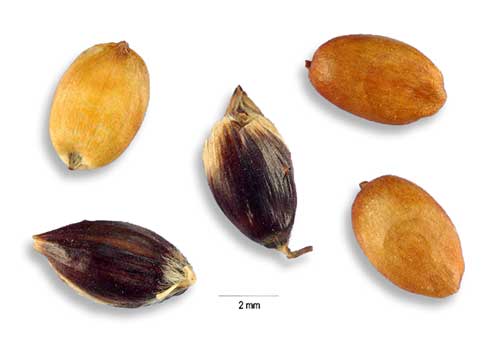
Batad is a stout, erect, annual, usually about 2 meters high. Stem is solid, about 1 centimeters or more in diameter. Leaves are 20 to 50 centimeters long, 2 to 5 centimeters wide. Panicles are dense, 15 to 30 centimeters long, compound and erect. Spikelets are ovoid, more or less pubescent, about 5 millimeters long, pale, purplish, or nearly black, the first glume hard and shining, the fourth awnless or sometimes awned.
 Distribution Distribution
- Several varieties grown in the Philippines.
- Cultivated, but not extensively, for forage.
- Native of Asia or Africa, now cultivated in all warm countries.
Constituents
- Leaves contain a glucoside, dhurrin; enzyme, emulsin, among others.
- Young plant rich in hydrocyanic acid.
- Fruits contain sorghin.
- Study isolated an alcohol-soluble protein, named kafrin, from kafir seeds, which constitutes more than one-half of the protein in the seed. Nitrogen determinations on the kafir meal showed that it contained 11.7 percent protein (N x 6.25).
(18)
- Proximate composition of Sorghum bicolor stem flour % on dry weight basis yielded moisture 6.54, protein 3.20, crude fat 8.38, total ash 5.34, crude fiber 32.02, carbohydrate 44.52. (22)
- Mineral composition (mg/100g) of sorghum bicolor stem flour on dry weight basis yielded: Na 127.61, K 138.87, Ca 151.70, Mg 185.33, Fe 10.98, Cu 0.47, Zn 7.15, Mn 2.83.
(see study below) (22)
- Phytochemical analysis of leaf sheaths yielded anthracine glycosides, reducing compounds, saponins, flavonoids, glycosides, and polyphenols. (see study below) (23)
Properties
- Considered astringent, demulcent, diuretic, hemostatic.
- Inflorescence is astringent and hemostatic.
- Studies have shown antidiarrheal, antibacterial, neuropharmacologic, antisickling, hematopoetic, antiglycation, antioxidant properties.
Parts used
Seeds, leaves, stems, roots.
Uses
Edibility
- Seeds, raw or cooked; sprouted seeds can be eaten raw; sometimes added to salads.
- Parched seeds used as alternative to coffee.
- Sweet juicy stems used for forage and silage or to produce syrup.
- In southern Africa the juicy stems are often chewed as a snack.
- Sap, raw or cooked, is quite sweet and can be made into syrup.
- A staple food in some regions, where it is often fermented before consumption.
- Used as whole grain like rice; ground into flour.
- Fruit of the vulgaris variety yield a decoction similar to that of barley.
- Stems, cooked. (Caution: reports of cyanide content).
- Sorghum bicolor is the dominant cereal crop in the Guinea and Sudan regions of West Africa.
Folkloric
- Decoction of seed is demulcent and diuretic; used for kidney and urinary tract complaints.
- In India, used as an aphrodisiac.
- Used for gastrointestinal related problems: diarrhea, flux, stomachaches.
- In South Western Nigeria, used for headaches, sickle-cell anemia, leukemia, multiple myeloma, heart and blood-related problems.
- In Lagos, Nigeria, used for anemia, pain and inflammation. Also, used as abortifacient: (1) infusion of leaf of S. bicolor with slice root of R lucida, soaked in potash water. (2) 24-hour gin Infusion of leaf of S bicolor, slice root of B nitidia, wood of Pterocarpus osun. As contraceptive: Infusion of soaked leaf of S. bicolor with fruits of X. aethiopica and seeds of A. melegueta.
Others
- Cultivated for forage and seed.
- Developed for the production of grain and sweet stalk.
- In China, sugar is produced from sweet sorghum.
- In Brazil, sweet sorghum is used as a source crop for ethanol production.
- Panicles used for making brushes, brooms and whisks.
- The bagasse is more suitable for paper pulp and used to manufacture kraft paper, newsprint, and fiber board.
- Stems used for making mats and wattle fences.
- Makes an excellent biomass.
- Sweet sorghum is grown as
feed stalk for ethanol production.
Toxicity
• Cyanide: Immature plant, especially when wilted, is poisonous because of the cyanide and alkaloid hordenine. These toxins are destroyed when dried or made into silage.
Studies
• Anti-Anemic: Aqueous extract of Sorghum bicolor stem bark yielded alkaloids and saponins. Extract administration in rats produced significant increase in hemoglobin, packed red cell volume and red blood cells in iron sufficient and iron deficient groups. Results support its use in folkloric medicine in the management of anemia. (25) In albino rats, extract of leaf sheath increased Hb in a dose-dependent manner. (4)
• Sickle Cell Disease: Drug Nicosa, a produce of extracts of four different plants - P guineenses seeds, P osum stem, E caryophyllum fruit and S bicolor leaves was shown to possess anti-sickling properties, significantly reducing the number of painful episodes in SCD patients. (12)
• Antibacterial: N-butanol purified saponin extract showed an inhibitory effect on the growth of S aureus but not on E coli and C albicans. (3)
• Antidiarrheal / Decreased Intestinal Motility: Aqueous methanolic extract of leaf base of Sorghum bicolor significantly decreased intestinal motility, inhibited castor oil-induced diarrhea. (5)
• Neuropharmacologic Sedating Effects: Study suggests leaf base extracts of S. bicolor contains sedative substances that act via centrally medicated pathways rather than peripheral neuromuscular blockade. Results showed a significant reduction in spontaneous motor activity in rats, reduction in exploratory behavior and prolongation of pentobarbitone-induced sleep.(6)
• Protein Glycation Inhibition: Protein (albumin) glycation is a nonenzymatic process believed to be important in the pathogenesis of many diabetic complications. Sorghum brans with a high phenolic content and high antioxidant properties inhibit protein glycation. A high phenolic sorghum bran variety (sumac) inhibited protein glycation by almost 60%. Results suggest certain varieties of sorghum bran may affect critical biological processes involved in diabetes and insulin resistance. (8)
• Antioxidant: Study of ethanol fraction of stems of S bicolor yielded five major compounds. Among them, methyl ferrate, exhibited strong, free radical scavenging activity. All five compounds showed anti-lipid per oxidation activity. (11)
• Toxicity Study: Study suggests S. bicolor leaf extract is relatively safe. It showed incidental significant lowering of uric acid, a significant reduction of triglycerides and no effect on cholesterol.(13)
• Hemopoietic Effect: Study evaluated the effect of an aqueous extract of the leaf sheath of Sorghum bicolor on hematologic parameters in 50 albino rats. Results showed a hemopoietic effect and supports the traditional used of sorghum bicolor as a remedy for anemia. (17)
• Hematologic Benefits in HIV Patients: Study evaluated a traditional herbal preparation,Jobelyn ®, for its effect on anemia and CD4+ T-cell counts in an open-label pilot study of 10 HIV+ patients in Nigeria. Patients receiving ARVT+Jobelyn showed a faster improvement with improved hemoglobin levels and increased CD4-T-cell counts. (21)
• Antimicrobial Effects of Sorghum Drinks: Study evaluated the medicinal potentials of the sorghum drink (fortified and unfortified) with respect to inhibitory effect on the growth of Bacillus sp., Pseudomonas aeruginosa, Lactobacillus sp., and Corynebacterium sp. Sorghum stem extract fortified with pineapple juice and lemon grass had the highest inhibitory effect against Pseudomonas aeruginosa. The cheaply produced drink from purely local material could sere as a safe and good replacement for expensive high sugar content carbonated drinks. (see constituents above) (22)
• Hepatoprotective / Hematopoietic / Leaf Sheaths: Study evaluated the effects of aqueous extract of S. bicolor leaf sheaths on biochemical hepatic functions, histological integrity, and hematopoietic indices in Sprague-Dawley albino rats. Extract doses of 200, 400, 800, and 1600 mg/kbw were administered for 14 days. LFTs showed significant increase in ALT (p<0.05) with increase in dosage concentration, with no significant alterations in AST and ALP. Hematocrit and hemoglobin concentrations significantly increased. Histopathological exam of the liver revealed no lesion or morphological alteration. Results suggest hepatoprotective and hematopoietic effects. (see constituents above) (23)
• Anti-Toxoplasma Activity / Hematopoietic / Leaf Sheaths: Toxoplasma gondii, an intracellular zoonotic parasite, infects approximately a third of the world population. Drugs have been challenged with ineffectiveness and adverse side effects. Study evaluated the invitro anti-Toxoplasma inhibitory activity of S. bicolor's oil like crude extracts and fractions against T. gondii and their cytotoxic effects on human host cells. Results showed significant inhibitory activities against the growth of T. gondii tachyzoites with IC50s of 3.65, 2.74, and 3.55 µg/mL for the crude extract, the hexane-methanol fraction, and hexane fraction, respectively. The crude extract and fractions showed high antiparasitic effects with low cytotoxic effects. (24)
• Antiobesity / Lipid-Lowering Effects: Study evaluated the antiobesity and lipid-lowering effects of dichlormethane and ethyl acetate extracts of Huanggeumchal Sorghum varieties of S. bicolor. Results showed significant reduction of plasma total cholesterol and triglyceride levels given orally at dose of 50 and 300 mg/kbw/day to high-fat diet-induced rats for two weeks. (25)
• Antiviral / Herpes Virus 1 / 2kD Peptide / Seeds: Study reports on the purification of an antiviral peptide from the seeds of Sorghum bicolor. The peptide designated 2kD peptide strongly and dose-dependently inhibited the replication of herpes simplex virus type 1 (HSV-1). The 2kD peptide showed weak activity against poliovirus type 1, a non-enveloped virus. Results indicate the 2kD peptide not only inhibited the initiation and spread of infection, but also had an in vitro prophylactic effect against HSV-1 infection. (26)
• Antitussive / Expectorant / Bronchodilating / Roots: Study evaluated the antitussive, expectorant, and bronchodilating effects of ethanol extract of S. bicolor roots. In three antitussive tests (ammonia liquor induced mice cough, capsaicin induced mice cough, and citric acid induced guinea pigs cough, there was significant inhibition of cough frequency and prolongation of cough latent period. In expectorant evaluation using phenol red secretion in mice, there was significant increase in amount of phenol red output in mice tracheas. In bronchodilating test, treatment extended the preconvulsive time by 44.84% in guinea pigs. (27)
• Immune-Modulating / Anti-Inflammatory / Leaf Sheath: Study evaluated the anti-inflammatory and immune-modulating properties in vitro of Jobelyn®, containing the polyphenol-rich leaf sheaths from S. bicolor. Both aqueous and non-aqueous compounds reduced ROS formation by inflammatory PMN cells and reduced migration of the cells in response to inflammatory chemoattractant leukotriene B4. The aqueous extract of leaf sheath triggered robust upregulation of CD69 activation marker on CD3-CD56+ naural killer (NK) cells. Both aqueous and non-aqueous compounds contributed to anti-inflammatory effects, combined with multiple effects on immune cell activation status. (28)
• Effect in Preoperative Anemia / Clinical Trial: An open-label, randomized, parallel-group comparative study evaluated the efficacy of Sorghum bicolor extract in preoperative anemia. Results showed the extract supports erythropoiesis. S. bicolor is effective in treating iron-deficiency anemia. Blood transfusion and delay of surgery because of anemia can be avoided in an additional 15% of patients. Sorghum bicolor can be an alternative to erythropoietin injections. Use of S. bicolor can be justified in resource-poor countries. (29)
• DNA Damage Protecting Activity / Free Radical Scavenging / Anthocyanins / Bran: Study evaluated the anthocyanin contents extract from red sorghum bran. An acidified methanol extract yielded highest anthocyanin content (4.7 mg/g of bran). along with highest total flavonoids and total phenolic contents. The acidified ME also showed highest antioxidant activity. The anthocyanins showed significant reduction in the formation of nicked DNA and increased native form of DNA. Study has shown that anthocyanins have the ability to stabilize DNA. Anthocyanins have to the potential to protect DNA by chelating redox-active transition metal ions. (30)
• Antidiarrheal / Seeds: Study evaluated the in vivo antidiarrheal activity of an 80% methanol crude extract of seeds of S. bicolor using three standard bioassays i.e., castor oil induced diarrhea, castor oil induced enteropooling and castor oil induced gastrointestinal transit tests in mice. The 200 and 400 mg/kg extract doses exhibited significant (p<0.01) inhibitory activity against the three castor oil induced bioassays. The oral median lethal dose (LD50) of the extract was estimated to be higher than 2000 mg;kg. (31)
• Inhibition of Aromatase and α-Amylase / Flavonoids and Proanthocyanidins / Bran: Study evaluated the ability of simple flavonoids and proanthocyanidins in S. bicolor bran extracts to inhibit enzymes in vitro i.e., aromatase for breast cancer therapy and inhibition of α-amylase to reduce glycemic effect of dietary starches. Results showed inhibition of α-amylase by sumac sorghum bran extract. Sumac sorghum bran extract inhibited aromatase activity (IC50 12.1 µg/mL). Results suggest potential benefits of sorghum bran may include actions of monomeric flavanoids as well as proanthocyanidins. (32)
• Modulation of Adiposity and Inflammation / Extruded Sorghum: Study evaluated the effect of extruded sorghum flour (ESF) on the adiposity and inflammation modulation in obese Wistar rats. Luteolinidin and 5-methoxy-luteliolinidin were main deoxyanthocianidins identified in the ESF. The extruded flour exhibited potent anti-obesity activities. Sorghum regulated lipogenic genes such as FAS, PPAR-y, and LPL. Results suggest sorghum has potential as functional food for managing obesity. (33)
• Analgesic / Leaf Base: Study -evaluated antinociceptive and anti-inflammatory effects of an aqueous-70% methanol extract pf leaf base and aqueous and ethyl acetate fractions, using acetic acid induced writhing for chemical pain, tail flick test for mechanical pain in Swiss albino mice and and albumin-induced hind paw edema for anti-inflammatory activity in Wistar rats. The aqueous methanol extract and its aqueous fraction showed significant (p<0.05) antinociceptive activity. The extract did not show anti-inflammatory property. (34)
• Selective Inhibition of COX-2 / Flavonones: Study evaluated the selective inhibition of COX-1 and/or COX-2 by flavonones from Sorghum bicolor. Side effects associated with current NSAIDs results from selective inhibition of COX-1. Flavanones are potential selective inhibitors of COX-2. S. bicolor flavanone extract (SBFE) exhibited anti-inflammatory potential through selective inhibition of COX-2. (35)
• Phytoremediation / Cadmium, Lead and Arsenic: Heavy metals are a significant problem in municipal wastewater. Wastewater with three heavy metal cations and an anion was employed in irrigation during S. bicolor growth period. Results showed the absorption coefficient or bioaccumulation ability of S. bicolor is relegated to certain heavy metals. Heavy metals absorption was determined in the following order: cadmium = lead >arsenic. Soil's ability to accumulate heavy metal was cadmium > lead > arsenic by wastewater quality in the experiment. (36)
• Anti-Cancer / Antioxidant / Proanthocyanidins / Bran: Hepatocellular carcinoma is the fifth frequently diagnosed cancer in humans. In this study, proanthocyanidins-rich extracts (PREs) were prepared from three varieties of sorghum bran. The PRE samples showed different proanthocyanidins profiles and varying antioxidant effects. The PRE samples inhibited HepG2 cancer cells proliferation and migration through activation of the AMPKα pathway and inhibition of MAPK pathway. Results suggest sorghum bran is a potential resource of natural proanthocyanidins extract for antioxidant and HCC prevention effects. (37)
• Anti-Diabetic / Fermented Sorghum Diet: Several health-promoting products such as flour, staple food, and beverages have been produced from sorghum grains. Study evaluated the protective and modulatory effects of a sorghum diet on the genes of some antioxidant and glycolytic enzymes in alloxan-induced diabetic rats. Pretreatment of experimental animals with the diets normalized blood glucose before and after administration of alloxan. Sorghum treated groups showed statistically significant (p<0.05) decrease in liver dysfunction indices and markers of oxidative damage. The diet also significantly (p<0/05) decreased the relative expression of SOD, glutathione peroxidase, glucokinase, phosphofructokinase, and hexokinase genes in the experimental animals compared to control. The fermented sorghum diet significantly protected against hyperglycemia and suppressed glucose utilization and glycolysis in the liver of alloxan induced diabetic rats. Results suggest the sorghum diet protects against hyperglycemia and oxidative damage and may serve as functional food in the management of diabetes. (38)
• Protection of Human Cells from MPP+ Damage Via FBXO7 Expression / Potential for Parkinson's Disease Treatment: F-box protein 7 (FBXO7) mutations have been identified in families with early onset parkinsonism and pyramidal tract signs. The mutations were found in typical and young onset Parkinson's disease (PD). Evidence has shown that FBXO7 plays an important role in the development of dopaminergic neurons and increased stability and overexpression of FBXO7 may be beneficial to PD. Extracts of medicinal herbs Oenanthe javanica, Casuarina equisetifolia and Sorghum bicolor improved cell viability of both MPP+-treated HEK-293 and SH-SY5Y cells, rescued proteasome activity, and restored mitochondrial membrane potential in MPP+-treated HEK-293 and SH-SY5Y cells. The protective effects of the herbal extracts act through enhancing FBXO7 and decreasing TRAF2 expression. Results provide new targets for the development of potential treatments of PD. (39)
• Silver Nanoparticles / Antibacterial / Seeds: Study reports on the easy, rapid, cost effective and eco-friendly green synthesis of silver nanoparticles using aqueous seed extract of Sorghum bicolor. On antibacterial testing, the AgNPs showed highest activity against Staphylococcus aureus and moderate activity against Bacillus subtilis and Escherichia coli. (40)
• In the news: More Antioxidants than Blueberries and Pomegranates /Sorghum Bran: Study showed select varieties of Sorghum bran have greater antioxidant and anti-inflammatory properties than well known foods like bluueberries and pomegranates. Black and sumac varieties showed significantly higher levels of polyphenolic content and antioxidant levels than two low-tannin varieties, which did not reduce inflammation. Polyphenolic compounds in high-tannin sorghum varieties ranged from 23-62 mg of polyphenols per gram compared to blueberries with about 5 mg/gm and pomegranate juice with 2-3.5 mg/gm. (41)
Availability
Wild-crafted.
Cultivated.
Extracts, seeds in the cybermarket.
|


