Gen info
- Averrhoa carambola, known as Carambola or Starfruit, is a tropical tree in the Oxilidaceae family, native to Southeast Asia.
- Etymology: The genus Averrhoa was named after Abu 'I-Walid Muhammad bin Ahmad bin Rushd (IbnRushd), who was called Averroes in European literature, a famous Arabian physician, astronomer, and philosopher of the 12th century. (67)
-
Contains caramboxin, a toxin harmful to the kidneys. The neurotoxin is normally filtered by the kidneys, but may cause problems in dialysis patients and those with renal dysfunctions.(see below: Toxicity/Caution)
 Botany Botany
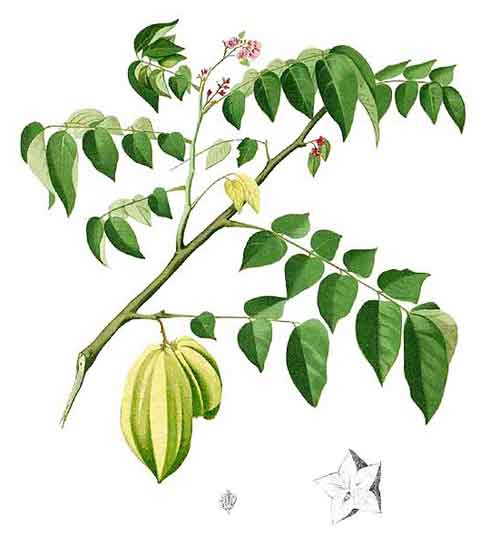
• Balimbing is a small tree growing
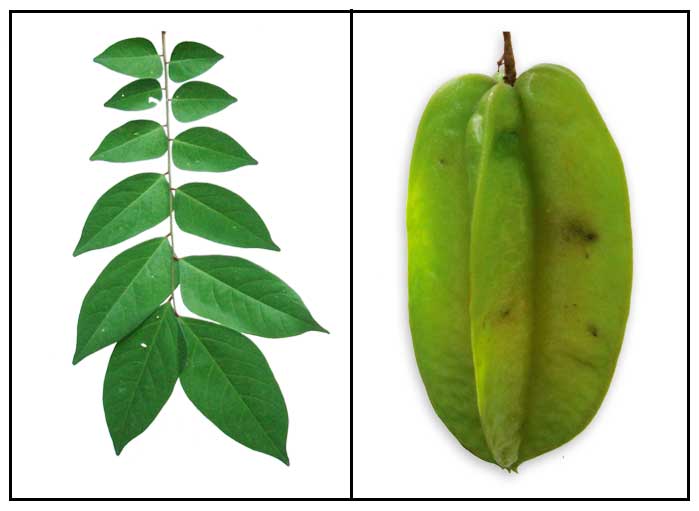
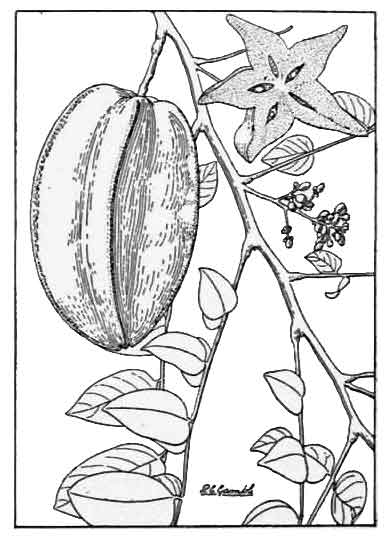
to a height of 6 meters or less. Leaves are pinnate, about 15 centimeters long.
Leaflets are smooth, usually in 5 pairs, ovate to ovate-lanceolate, the upper ones about 5 centimeters long and the lower ones smaller. Panicles
are small, axillary and bell-shaped, 5 to 6 millimeters long. Calyx is reddish purple.
Petals are purple to bright purple, often margined with white. Fruit is fleshy, green
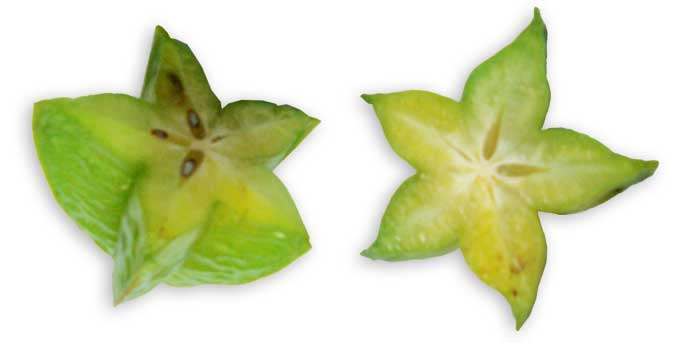
to greenish yellow, about 6 centimeters long, with 5 longitudinal, sharp and
angular lobes. Seeds are arillate.
• Averrhoa carambola is a small, slow-growing evergreen tree with a short-trunk or a shrub. The branches are drooping and the wood is white and turns reddish. It has a bushy shape with many branches producing a broad, rounded crown. The compound leaves are soft, medium-green, they are 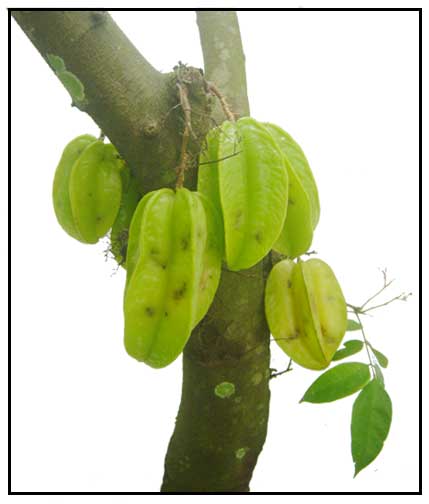 spirally arranged around the branches in an alternate fashion. The pinnate leaves have a single terminal leaflet and 5 to 11 nearly opposite leaflets, each leaf is 15–20 cm long, and the 3.8–9 cm long leaflets are ovate or ovate-oblong in shape. The top sides of the leaves are smooth and the undersides are finely hairy and whitish. The leaflets are reactive to light and tend to fold together at night, they are also sensitive to abrupt shock and when shaken tend to close up also. The lilac or purple-streaked, downy, flowers are produced in the axils of leaves at the end of twigs. The flowers are arranged in small clusters on the ends of the branches or sometimes on the larger stems and trunk, each cluster is attached to the tree with red stalks. The bell-shaped, perfect flowers, are produced in loose panicles that are much-branched with pedicellate flowers; each flower is around 6 mm wide, with five petals that have recurved ends. The fruits are showy with an oblong shape: they are longitudinally five to six-angled and 6.35–15 cm long and up to 9 cm wide. The fruits have a thin, waxy skin that is orange-yellow colored. The juicy fruits are yellow inside when ripe and have a crisp texture and when cut in cross-section are star-shaped. The fruits have an oxalic acid odor, which varies between plants from strong to mild, the taste also varies from very sour to mildly sweetish. Each fruit may have up to twelve 6–12.5 mm long seeds, which are flat, thin and brown. Some cultivated forms produce fruits with no seeds. (Wikipedia) spirally arranged around the branches in an alternate fashion. The pinnate leaves have a single terminal leaflet and 5 to 11 nearly opposite leaflets, each leaf is 15–20 cm long, and the 3.8–9 cm long leaflets are ovate or ovate-oblong in shape. The top sides of the leaves are smooth and the undersides are finely hairy and whitish. The leaflets are reactive to light and tend to fold together at night, they are also sensitive to abrupt shock and when shaken tend to close up also. The lilac or purple-streaked, downy, flowers are produced in the axils of leaves at the end of twigs. The flowers are arranged in small clusters on the ends of the branches or sometimes on the larger stems and trunk, each cluster is attached to the tree with red stalks. The bell-shaped, perfect flowers, are produced in loose panicles that are much-branched with pedicellate flowers; each flower is around 6 mm wide, with five petals that have recurved ends. The fruits are showy with an oblong shape: they are longitudinally five to six-angled and 6.35–15 cm long and up to 9 cm wide. The fruits have a thin, waxy skin that is orange-yellow colored. The juicy fruits are yellow inside when ripe and have a crisp texture and when cut in cross-section are star-shaped. The fruits have an oxalic acid odor, which varies between plants from strong to mild, the taste also varies from very sour to mildly sweetish. Each fruit may have up to twelve 6–12.5 mm long seeds, which are flat, thin and brown. Some cultivated forms produce fruits with no seeds. (Wikipedia)
Distribution
- Naturalized.
-
In cultivated
and semi-cultivated areas throughout the Philippines.
- Introduced from tropical America.
- Native to Jawa, Maluku, Sulawesi.
- Now pantropic.
 Constituents Constituents
- Studies indicate the presence of saponins, alkaloids, flavonoids and
tannins.
- Seeds yield an alkaloid, harmaline, C13H14N20.
- Phytochemical screening of leaf extract yielded alkaloids, glycosides, phenol, tannins, flavonoids, protein and diterpenes. (see study below) (29)
- Nutrient analysis of raw, fresh star fruit (per 100 g) showed: energy 31 Kcal, carbohydrates 6.73 g, protein 1.04 g, total fat 0.33g, cholesterol 0 mg, dietary fiber 2.80g; (Vitamins) folates 12 µg, niacin 0.367 mg, pyridoxine 0.017 mg, riboflavin 0.016 mg, thiamine 0.014 mg, vitamin A 61 IU, vitamin C 34.4 mg, vitamin E 0.15 mg, vitamin K 0 µg; (Electrolytes) sodium 2 mg, potassium 133 mg; (Minerals) calcium 3 mg, iron 0.08 mg, magnesium 10 mg, phosphorus 12 mg, zinc 0.12 mg. (Source: USDA National Nutrient data base) (32)
- Study on fruit extract showed total phenolic (1.216 mgGAE/g extract), flavonoids (767 mgCE/g extract), proanthocyanidin 586 mgCE/g extract, and condensed tannins (18.35 mgCE/g extract. (see study below)
(33)
- Study of leaves isolated a new flavone C-glycoside, carambolaflavone, along with a known flavone C-glycoside, isovitexin.
(42)
- Study of a methanol extract of leaves to identify active compound contents yielded 10 possible active and applicable compounds viz., Butane, 1,1-diethoxy-3 methyl-(CAS) 1.1-DII, Dodecanoic acid, methyl ester (CAS) Ethyl Laun, Pentadecanoic acid ethyl ester, Hexadecanoic acid methyl ester (CAS) Methyl pa, Octadeca 9.12 dienic acid methyl, 9-Octadecenoic acid methyl ester (E)-(CAS), Octadecanoic acid methyl ester and (E) 9-Octadecanoic acid methyl ester. (60)
- Study of fresh fruit yielded eleven non-flavonoid phenolics viz., two new alkyl phenol diglucosides, carambolasides K (1) and L (2), four phenylpropanoids, (+)-isolariciresinol 9-O-ß-D-glucoside (3), (+)-lyoniresinol 9-O-ß-D-glucoside (4), (-)-
lyoniresinol 9-O-ß-D-glucoside (5), and 1-O-feruloyl-ß-D-glucose (6), three benzoic acids, protocatechuic acid (7), 1-O-vanilloyl-ß-D-glucose (8), and tecomin (9), a simple phenol, koaburaside (10), and a naphthoquinone, (+)-cryptosporin (11). (see study below) (63)
 Properties Properties
- Vermifuge, laxative,
refrigerant, antiscorbutic, febrifuge, sialogogue, antiphlogistic, stimulant,
emmenagogue, anodyne, emetic.
- Studies have suggest hypocholesterolemic, hypoglycemic, hypotensive, nephrotoxic, neurotoxic, negative inotropic and chronotropic properties.
- Fruit is considered laxative, refrigerant, antiscorbutic, appetite stimulant, febrifuge, antidysenteric, sialagogue, and antiphlogistic.
- Seed regarded as narcotic, anodyne, emetic and emmenagogue.
- Studies have suggested negative inotropic and chronotropic, antioxidant, antiulcer, anticancer, anticonvulsant, anti-inflammatory, neurotoxic, nephrotoxic, anticancer, antidiabetic, antimicrobial, electrophysiologic, anticoagulant, radioprotective, hepatoprotective, tumor inhibitory, antiangiogenic, hypotensive, antilipase, antiobesity, anthelmintic, renoprotective, depressant, elastase inhibitory , antidiarrheal, antihyperlipidemic properties.
Parts
used
Leaves, flowers, seeds,
fruit.
 Uses Uses
Edibility / Nutritional
-
Edible fruit is a source
of iron (low in calcium) and vitamins B and C, oxalate and potassium.
- Because of high potassium content, the fruit should be excluded from the diets of patients with renal failure.
- In the Philippines, the fruit is eaten with or without salt; the juice used for seasoning.
- Fruit used in making pickles and sweets.
- In Java, flowers are used in salads.
- Toxicity: Contains caramboxin, a toxin harmful to those with kidney problems. (see below:
Toxicity / Caution)
Folkloric
- Decoction of leaves used
for aphthous stomatitis and angina.
- In Tonkin, flowers are used as vermifuge.
- Boiled flowers used to expel worms: 50 gms to a pint of boiling water;
drunk in normal doses.
- Malays use a poultice of crushed shoots or leaves used externally for headaches, chickenpox, and ringworm.
- The Chinese and Annamites use the flowers for cutaneous affections; also use the fruit as an eye salve for ophthalmic affections.
- Leaves applied externally for fevers.
- Fruit syrup used as cooling drink for fevers.
- Decoction of leaves and fruit used to arrest vomiting.
- Fruit is laxative; also used for hematemesis, melena and other forms of hemorrhages.
- Decoction of fruit, 50 gms to a pint of boiling water, 4-5 glasses a
day used for bleeding piles.
- Juice of fresh fruit for affections of the eyes.
- Seed is used for asthma and colic: Powdered seeds, 10 gms to a cup of
warm water, drunk 4 times daily.
- In Brazil, used for headaches, eczema, vomiting, coughing and hangovers. Also, used as appetite stimulant, diuretic, antidiarrheal, and febrifuge.
- In India, the ripe fruit
is used to stop hemorrhages and relieve hemorrhoidal bleeding. Khasi tribe of Meghalaya use the ripe fruit in the treatment of jaundice.
In Ayurveda, ripe fruit is considered tonic and digestive; causes biliousness. Dried fruit is used for fevers.
- The dried fruit or juice used for fevers.
- Plant used as reproductive organ stimulant for both males and females. In females it is used to increase the flow of milk and menstrual fluid. It acts as an emmenagogue; sometimes used as abortive.
- In Ayurveda, preparations of its fruit and leaf preparations are used to pacify impaired kapha, pitta; used for pruritus and skin diseases, worm infestations, diarrhea, vomiting, hemorrhoids, intermittent fever, over-perspiration and general debility. (35)
- Seed regarded as narcotic, anodyne, emetic, and emmenagogue. Seed powder, in doses of 1/2 to 3 drams or as watery infusion, considered a good anodyne in asthma, colic, and jaundice.
- In Bangladesh, leaves and fruits used in treatment of diabetes.
Others
- Cleaning: The acid type carambola dissolves tarnish and rust, occasionally
used for cleaning and polishing metal.
- Stain remover: Like kamias, fruit juice is used in washing clothes and to remove spots and stains.
Contains potassium oxalate which is used for dyeing.
Studies
• Cardiac Effects / Negative Inotropic and Chronotropic
Effects: The study showed that the A. carambola
extract is an agent that strongly depresses the heart rate and the myocardial
contractile force. Although the active compound has not been identified,
its action on the L-type Ca2+ channels is important to explain the mechanism
of action of this plant on the mammalian atrial myocardium. (1)
• Fatal outcome after ingestion
of star fruit (Averrhoa carambola) in uremic patients:
The study warns that patients with renal failure who ingest star fruit
may develop neurological symptoms and run the risk of death in severe
cases. Hemodialysis, especially on a daily basis, is the ideal treatment for star fruit intoxication. (2)
• Neurotoxicity:
Report of study on 32 uraemic patients who ingested star
fruit. Most common presenting symptoms were persistent hiccups, vomiting,
mental confusion, psychomotor agitation, insomnia, paresthesias and
seizures. Ideal treatment was daily hemodialysis.(4)
• Antioxidant:
Research reports the residues from star fruit juicing process
is a rich and excellent source of extractable phenolic antioxidants. (6)
• Convulsant / Neurotoxic Fraction: Study yielded a nonproteic neurotoxic fraction from the star fruit Averrhoa carambola. It was shown to inhibit GABA binding in a concentration-dependent manner. It produced behavioral changes in animals, including seizures - tonic-clonic to status epilepticus. (7)
• Anti-Ulcerogernic Effect / Leaves: Study evaluated the anti-ulcerogenic potential of a water-alcohol extract of A carambola leaves in ulcer models in rats. Results showed significant anti-ulcer activity in the acidified-ethanol-induced ulcer model in rats, with no activity in the indomethacin and acute stress ulcerogenic models. (11)
• Human Cytochrome P450 Inhibition: Fruit juice-drug interaction has been a concern since the discovery of the grapefruit juice-drug interaction. Other fruits have been found to inhibit CYP3A in vitro. Study showed star fruit juice inhibited the seven CYP isoforms tested, with the strongest inhibitory effect against CYP2A6 and the least towards CYP3A4. (8)
• Hypotensive Effect: Study of aqueous extract of Averrhoa carambola in isolated rat aorta demonstrated hypotensive effects, in part, attributed to inhibition of the contractile mechanisms involving extracellular Ca++ influx. (12)
• Topical Anti-Inflammatory: Study in mice evaluated the topical anti-inflammatory effects of various extracts of leaves, fractions and flavonoids on skin inflammation. The ethyl acetate fraction was the most effective. (13)
• Antioxidant / Antimicrobial: Nitric oxide radicals generated from sodium nitroprusside was inhibited by A. carambola fruit extracts at various stages of ripening. Methanolic and water extracts of fruits showed antimicrobial activity against E. coli, Salmonella typhi, Staph aureus and Bacillus cereus. (14)
• Hypoglycemic / Fruit / Roots: Treatment of male Sprague Dawley rats with fruit pulp for eight weeks significantly decreased blood sugar levels. The change was insignificant in female rats, which was attributed to hormonal changes. (16) Study evaluated the hypoglycemic effects of A. carambola root extracts in diabetic mice induced by STZ. Results showed reduction of blood glucose level and improvement in glucose tolerance. Mechanism could be related to enhancement of activities of hexokinase and pyruvate kinase and improvement of liver antioxidant activity. (57)
• Analgesic / Fruit Extract: Treatment investigated the analgesic effect of a fruit extract of A. carambola in Swiss albino mice by acetic acid-writhing test (peripheral action) and radiant tail flick test (central action). Results showed significant central and peripheral analgesic activities. (17)
• Antioxidant / Antibacterial / Cytotoxicity / Bark: Study evaluated a petroleum ether of bark of Averrhoa carambola for antibacterial, antioxidant, and cytotoxic properties. Phytochemical screening yielded flavonoids, carbohydrates, glycosides and steroids. The extract exhibited good antibacterial action, especially against S. typhi, P aeruginosa, E coli and B megaterium. There was concentration dependent DPPH radical scavenging activity. On brine shrimp lethality testing, the LC50 was calculated at 19.95. (18)
• Anthelmintic / Leaf: Study evaluated anthelmintic potential of a leaf extract of A. carambola against Pheretima posthuma as test worm. Results showed significant paralysis and death of worms especially at higher concentrations. (19)
• Electrophysiologic Effects: Study evaluated the electrophysiological changes produced by an aqueous extract of leaves on isolated right atrium preparations of guinea pig heart. The extract produced various kinds of atrioventricular blocs, increased QT interval, increased QRS duration, and decrease cardiac rate. The results caution against the use of such extracts because it can promote electrical and mechanical changes in the heart. (20)
• Prophylactic / Hepatocellular Carcinoma: Study evaluated the protective roles of fruit of Averrhoa carambola on diethylnitrosamine-(DENA)-induced and CCl4-promoted liver cancer in Swiss albino mice. Results showed considerable reduction in tumor incidence, tumor yield, and tumor burden. There was also a significant reduction in lipid peroxidation. Results shows a prophylactic roles against hepatocellular carcinoma in mice, and suggests a potential as a chemopreventive natural supplement against cancer. (21)
• Radioprotective / Antioxidant / Leaves: Study evaluated the radioprotective efficacy of ethanolic extract of leaves of Averrhoa carambola. Results showed supplementation with Averrhoa carambola has potent antioxidant activities and probably act as radioprotective against gamma radiation induced oxidative damage. (22)
• Oxalic Acid Content: Oxalic acid is the principal acid in A. carambola and A. bilimbi. It is a food toxicant which may decrease the availability of dietary calcium by forming poorly absorbed calcium-oxalate complex. Study revealed higher levels of oxalic acid in sour green carambola (5.5 - 10.9 mg/g) than in sweet fruit (0.5 -1.7 mg/g). Oxalic acid levels in both sweet and sour carambola decreased as the fruit matured, with variations from season to season. (23)
• Anticoagulant Activity: Study of an ethanolic extract of leaves and fruits in diabetic male Wistar rats showed very significant anticoagulant effect, attributed to the high level of oxalic acid acting as a metal cation chelator, presumably binding to blood calcium, removing the calcium ion from the blood, and inhibiting the clotting process. (24)
• Hepatoprotective Activity / CCl4-Induced Injury / Stems: Study of a stem ethanolic extract showed hepatoprotective activity in CCl4-induced hepatic damage in rat. Silymarin was used as standard. (25)
• Fruit Juice Effect on Alkaline Phosphatase: Study evaluated the in vivo effect of star fruit juice on activity of alkaline phosphates in female Sprague Dawley rats. Results showed star fruit juice at different storage times selectively induced the activity of alkaline phosphatase in rat liver but not in the heart and kidney. (26)
• Antihyperglycemic / Leaves: Study evaluated antihyperglycemic activity of methanol extracts of leaves of three plants: A. carambola, F. hispida, and S. samarangense. All three showed reductions in blood glucose in mice. Glibenclamide was used as standard. (27)
• Hepatoprotective / Antioxidant / Leaves: Study of leaves of A. carambola on carbon tetrachloride induced hepatic damage in mice demonstrated hepatoprotective and antioxidant activity . Pretreatment of extract significantly controlled the levels of serum biochemical and antioxidant enzymes. (28)
• In Vitro Cytotoxicity / MCF-7 Breast Cancer Cell Line / Leaves: Study of leaf extract for in vitro cytotoxic activity against breast cancer cell line (MCF-7) showed an IC50 value of 170.326 µg/ml. (see constituents above) (29)
• Attenuation of Fluoride Induced Toxicity / Fruit: Study evaluated the potential of star fruit as dietary supplement in attenuating the fluoride induced hyperglycemia, hypercholesterolemia and oxidative stress in a rat model. Diet supplementation with star fruit powder significantly restored fluoride induced elevation of glucose, lipids, and oxidative stress. The activity could be due to the presence of polyphenols, flavonoids, saponins, phytosterols, ascorbic acid and fibers in the fruit. (30)
• Anti-Browning Effect of Honey and L-Cysteine on Fresh Cut Fruit: Study evaluated the anti-browning effect of L-cysteine and honey through PPO activity and total phenolic content in carambola slices. Overall quality analysis showed honey (10%) enriched with L-cysteine (0.5%) significantly extended the shelf life of fresh-cut carambola. Honey can be used as edible coating to maintain fresh-like appearance of carambola slices up to 12 days. (31)
• Tumor Inhibitory / Antiagiogenic / Proapoptotic / Fruit: Study evaluated the tumor inhibitory activity of Averrhoa carambola fruit extract on EAC cells administered in mice targeting angiogenesis and apoptosis. Results showed potent proapoptotic and antiangiogenic activity, which was attributed to catechin, epicatechin and ferulic acid present in the extract. (see constituents above) (33)
• Acute and Sub-Chronic Toxicity Study: Study evaluated the preclinical toxicological effects of hydro-alcoholic extract from A. carambola leaves on Wistar rats and Swiss mice.
Results showed relatively low subchronic and acute toxicity in the test animals. (36)
• Suppression of Adipocyte Differentiation / Effect on Obesity / Peels: Study evaluated the ability of A. carambola peel extract in suppressing adipocyte differentiation in 3T3-L1 preadipocytes and its potential to treat obesity and its related diseases. (--)-Epicatechin was identified as the bioactive compound likely responsible for suppression. Computational docking study showed the likely receptor binding mode of (-) -epicatechin as the likely mechanism in overall suppression of adipocyte differentiation. (37)
• Reduction of Blood Pressure
in Normotensive Subjects / Fruit: Study on sweet star fruit juice showed a significant changes in blood pressure, while differences in the dose did not produce significant effects. (38)
• Anti-Lipase Activity /
Anti-Obesity / Ripe Fruit: Study evaluated the methanolic extracts of 98 medicinal, herbal and aquatic plant materials from Malaysia for its effect on porcine pancreatic lipase (PPL) activity. Results showed 19.4% of the extracts had anti-lipase activity. The ripe fruit of Averrhoa carambola was one of four that showed highest (100%) anti-lipase activity equivalent to 0.11 µg orlistat/mL. The remarkable inhibitory activity of some of the plant extracts suggests a potential and convenient source of anti-obesity agents. (40)
• Nutritional and Medicinal Properties / Review: Review discussed the beneficial effects of star fruit, explored potential mechanisms of beneficial effects, and outlined the safety factors that may affect safe level of consumption. Beneficial effects include: antioxidant mediated via L-ascorbic acid, epicatechin, and gallic acid; hypoglycemic mediated via high fiber levels and 2-dodecyl-6-methoxycyclohexa-2.3-diene-1,4-dione); hypotensive mediated via apigenin; hypocholesterolemic, mediated via micronized fiber; anti-inflammatory, anti-infective, anti-tumor effects, and immune boosting effects. Review also discussed toxicity effects associated with chronic renal disease, gastroenteropathies chronic pancreatitis, dehydration, consumption on an empty stomach, and high concentration of oxalate in fruit/juice. (41)
• Elastase Activity Inhibition / Leaves: Premature skin aging is caused by increase elastase proteolytic activity, which causes elastin breakdown and disorganization in connective tissue, including elasticity and flexibility and wrinkling sin. Study evaluated the inhibition of elastase proteolytic activity by water , EA and n-hexane fractions of leaves. The water fraction was the most active fraction with a half-maximal inhibitory concentration of 160.46 ng/ml. The total phenolic and flavonoid content in the water fraction was 115.58 mg gallic acid equivalent/g and 9.15 mg quercetin equivalent/g extract, respectively. Study suggests A. carambola leaves is a natural material that may inhibit elastase proteolytic activity and may prevent premature skin aging. (43)
• Elastase Activity Inhibition / Leaves: Study evaluated the electrophysiological effects from an aqueous extract of A. carambola leaves on isolated heart or right atrium of guinea pig heart. The extract induced various degrees of atrioventricular blocks (1st, 32nd, and 3rd degrees), increased QT intervals, increased QRS complex, decreased cardiac rate, decreased intraventricular pressure, and increased conduction time between right atrium and HIS bundle. Results advise caution on use of such extracts because of potential electrical and mechanical effect on the heart. (44)
• Depressant / Activity Inhibition / Fruit: Study of star fruit extract increased barbiturate=induced sleeping time and reduced activity, suggesting a centrally acting depressant action. (45)
• Protection Against Palmitic Acid Induced Inflammation and Apoptosis / DMDD / Roots: Study demonstrated that 2-Dodecyl-6-Methoxycyclohexa-2.5-Diene-1,4-Dione (DMDD) isolated from roots has significant potential for the treatment of diabetes. Results showed cell viability and glucose-stimulated insulin secretion levels were increased in DMDD-pretreated Min6 cells. DMDD inhibited inflammatory cytokines IL-5, TNF-α, and MCP-1 generations in palmitic acid (PA)-induced Miiin6 cells. DMDD protected Min6 cells against PA-induced dysfunction by attenuating the inflammatory response and apoptosis, and its mechanism of protection was via inhibition of TLR4-MyD88-NF-lB signaling pathway. (46)
• Biologic Activities / Antidiabetic / Antioxidant / Norathyriol / Bark: A. carambola bark extract yielded various phytoconstituents including phenolic acids, flavonoids, xanthones and terpenoids. Norathyriol, epicatechin, and protocatechuic acid showed significant biologic activity. The extract showed potential antioxidant activity and markedly inhibited α-glucosidase elastase, and tyrosinase enzyme activities in a concentration-dependent manner. Results suggest that norathyriol, one of the identified compounds, has significant α-glucosidase inhibition and DPPH radical scavenging activities. The ABE significantly decreased postprandial blood glucose level in OGTT. (47)
• Renoprotective / Attenuation of Advanced Glycation End-Products in Renal Tissue / Roots: 2-Dodecyl-6-Methoxycyclohexa-2.5-Diene-1,4-Dione (DMDD) was isolated from the tuberous roots of A. carambola. Study evaluated the beneficial effects of DMDD on advanced glycation end-product-mediated renal injury in type 2 diabetiic KKay mice. Results suggest DMDD can inhibit progression of diabetic nephropathy and can be a therapeutic agent for regulating several pharmacological targets to treat or prevent diabetic nephropathy. (48)
• Antihyperlipidemic / Antioxidant / Leaves: Study evaluated the antihyperlipidemic potential of a methanolic extract of A. carambola leaf in high-fat diet (HFD)-fed rats. Extract supplementation reduced serum lipids in HFD-fed rats in a dose-dependent manner. Histopathological exam showed restoration of damage to the liver. Results showed the potential of the extract to ameliorate hyperlipidemia and oxidative stress in HFD-fed rats. It prevented hepatic lipid accumulation and exerted an inhibitory effect on HMG-CoA reductase and lipase. (49)
• Effect on Endothelial Function with Ventricular Remodeling: Ventricular remodeling leads to cardiomyocyte hypertrophy, myocardial fibrosis, endothelial vasoactive substance changes and endothelial dysfunction. Study evaluated the effect of an aqueous extract of A. carambola on endothelial function in rats with ventricular remodeling induced by isoprenaline. Results showed the extract might alleviate ventricular remodeling in rats by maintaining the balance of vasoactive substances and function of the vascular endothelium. (50)
• DMDD / Antitumor Potential Against Human Breast Cancer Cells: 2-dodecyl-6-methoxycyclohexa-2,5-diene-1,4-dione (DMDD) is a cyclohexanedione found in the roots of A. carambola. Study evaluated the cytotoxiic effects of DMDD against various cancer cell lines in vitro and its molecular mechanism in DMDD-induced apoptosis in human breast cancer cells. DMDD suppressed the growth of breast carcinoma cells via induction of G1 phase cell cycle arrest, oxidative stress and apoptosis. It increased intracellular ROS. DMDD induced cell apoptosis involved the activation of both intrinsic mitochondrial pathway and extrinsic receptor pathway. Study suggest DMDD has significant potential as a safe and efficient therapeutic agent for the treatment of breast cancer. (52)
• Association of Renal Function and Symptoms with Mortality: In a review of 23 articles of 126 cases of patients with acute symptoms from star fruit (SF) ingestion, the most common symptom was hiccups (65%), while confusion and seizure were the most common symptoms associated with mortality, 42% and 61%, respectively. Pre-intoxication renal function also affected mortality—while no mortality was seen in patients with normal renal function, ,mortality among patients with chronic renal insufficiency and end-stage renal disease undergoing dialysis were 36% and 27%, respectively. Most common treatment strategy was hemodialysis (59%). (54)
• Antioxidant Components and Fatty Acid Profile: of Renal Function / Leaves and Fruits: Study evaluated acetone:water extracts (AWE) of leaves and fruits for antioxidant components. Results showed all extracts and fractions possessed potent antioxidant activities by DPPH, ABTS and FRAP assays. The main antioxidant components in WS2 fractions were essentially of procyanidin-type proanthocyanidins, consisting mainly of epicatechiin. GC-MS analysis showed the most abundant fatty acids were α-linolenic acid (62.04%) for leaves and oleic acid (55.44%) for fruits. Total unsaturated fatty acids in leaves and fruits comprised more than 77% of total fatty acid. (55)
• Antidiarrheal / Acute Toxicity Testing / Leaves: Study evaluated aqueous and ethanolic extracts of A. carambola leaves for antidiarrheal activity in castor oil-induced diarrhea and prostaglandin-induced diarrhea models. Acute toxicity testing showed the extracts of leaves to be safe up to a dose of 2000 mg/kbw in mice. The leaf extracts showed significant anti-diarrheal activity in a dose dependent manner. The phenolic/flavonoid contents with their antioxidant potential might be responsible for the antidiarrheal activity. (58)
• Zinc Oxide Nanoparticles / Antimicrobial / Leaves: Study reports on the one pot green ecofriendly synthesis of zinc oxide nanoparticles from A. carambola aqueous extract. The ZnO NPs showed antibacterial activity against Bacillus subtilis, Staphylococcus aureus, Escherichia coli and Pseudomonas aeruginosa. Antifungal and antifungal effect against plant pathogenic fungi Alternaria alternata and Fusarium oxysporum. The ZnO NPs are nontoxic, stable and biocompatible as potential antimicrobial agent and other biomedical applications. (59)
• Protective Effects on Neuron Apoptosis and Memory Deficits / DMDD / Roots: Study evaluated the potential beneficial effects of DMDD on neuron apoptosis and memory deficits in Alzheimer's disease. Effects on learning and memory in APP/PS1 transgenic AD mice in vivo were investigated via Morris water maze and Y-type electric maze tests. DMDD showed potential benefit on treating learning and memory deficit in APP/Ps1 transgenic mice, and the effects may be associated with reversal of apoptosis via inhibition of Bax/Bcl-2 mediated mitochondrial membrane potential loss. (61)
• Antioxidant / Weak Pancreatic Lipase Inhibition / Non-Flavonoid Phenolics / Fruit: Study of fresh star fruit isolated eleven non-flavonoid phenolic compounds. Compounds 1-8 and 10 showed ABTS radical cation scavenging activity comparable to ascorbic acid, while compounds 3, 5, and 7 showed potent FRAP activity. Compounds 6 and 11 showed weak porcine pancreatic lipase inhibitory activity. (see constituents above) (63)
• Apoptosis in Ehrlich Ascites Carcinoma / Modulation of p53 Expression / Antioxidant / Leaves: Study evaluated the antioxidant activity of methanol extract of A. carambola leaves using DPPH and ABTS free radical scavenging assays and antineoplastic effect against Ehrlich ascites carcinoma. Results showed rich phenolic and flavonoid content and moderate dose dependent free radical scavenging activity. In invivo antiineoplastic assay, the extract decreased viable cells, increased survival time and restored altered hematological profiles of cancer cell bearing mice. Cells from treated group showed apoptotic characteristics with overexpression of pro-apoptotic genes. (64)
• Antidiabetic / Leaves: Study evaluated the in vitro and in vivo antidiabetic activity of Averrhoa carambola leaves. Results showed the ethanolic extract of leaves showed statistically significant decrease in blood glucose similar to standard drug glibenclamide, which indicate inhibition of a-amylase activity and antagonism of streptozotocin action. Results suggest potential use for treatment of type 2 diabetes. (65)
• Anticancer on Triple-Negative Breast Cancer Cells / Leaves: Study evaluated the effects of ethanolic extract of leaves on triple-negative breast cancer (TNBC), an aggressive subtype lacking specific therapy. Phytochemical screening revealed an extract rich in flavonoids, saponins, and steroids, with antioxidant capacity of 45%, with significant reduction in ferric-reducing power and effective DPPH scavenging activity. The EE reduced viability of triple-negative breast cancer cell MDA-MB-231, in a concentration-dependent manner, with IC50 of 20.89 µg/mL. Also, 1/5 IC50 doses of doxorubicin showed additive effect to reduce cell viablity. Results suggested potential as adjuvant therapy in the treatment of this cancer with limited therapeutic options. (68)
• Protective Against Hemolysis and Preservation of RBCs: Study evaluated the protective capability of ethanol extract of A. carambola dried leaves on red blood. According to results on red blood cell morphology, 50% EE protected 50-75% of red blood cells from lysing caused by 5mM and 10 mM H2O2. Study concludes the 50% concentration exhibits optimum protective activity against hemolysis and preservation of RBC morphology. (69)
Toxicity / Caution !
• Report of toxicity and
death in fruit consumption by patients with renal failure. Star fruit intoxication may be harmful and even life threatening in uremic patients. The neurotoxicity is classified into three levels of intoxication: (1) Mild, with hiccups, vomiting and insomnia. (2) Moderate, with psychomotor agitation, numbness and mental confusion, and (3) Severe intoxication, with worsening confusion, coma, seizures, hypotension and shock, in various confusing clinical presentations. Daily dialysis, is the ideal treatment and most efficient way of removing the neurotoxicity.
• High Potassium Content: Because of its high potassium content, star fruit should be one of the food substances that should be excluded from the diet of patients with renal failure.
• Renal Toxicity: Study reports on two cases of star fruit toxicity: acute kidney injury and chronic kidney disease. Acute kidney injury was reported in a 56-year old female diabetic patient who consumed a large amount of star fruit juice at once. The other was a case of a 60-year old diabetic who presented with acute-on-chronic renal failure following fruit juice consumption over 2-3 years. Both showed histologically confirmed oxalate induced renal injury, the former with acute tubulo-interstitial disease while the latter showed acute-on-chronic interstitial disease. (39)
• Toxicological Concerns / Oxalate and Caramboxin: Averrhoa carambola yields various antioxidants considered medicinally beneficial, it also contains high amount of oxalate which is hazardous for uremic patients, and caramboxin (CBX) which is neurotoxic. It may cause poisoning in uremic patients, and = death if consumed in sufficient amounts. Transcriptomics study may lead to novel genetic engineering to eliminate the oxalate and caramboxin biosynthesis in fruit-specific manner to enhance the nutritional quality. (40)
• Hepatotoxic and Nephrotoxic Potentials / Juice: Study evaluated the possible toxicity potentials of star fruit juice in female albino rats using various doses up to 5000 mg/kg. Acute toxicity study showed the juice was safe even at 5000 mg/kg after 48 hours. In the subacute study, there were no significant (p<0.05) differences in all hematological parameters, total protein, albumin and globulin values. ALT, AST, AP activities, as well as urea, creatinine and malondialdehyde values of rats treated with the juice were significantly (p<0.05) higher than control in a dose dependent manner. Liver and kidney histomorphologies of rats treated with juice showed lesions of degeneration and necrosis. Results showed the juice is both nephrotoxic and hepatotoxic, with no deleterious effects on hematological parameters. (51)
• Nephrotoxicity and Neurotoxicity / A Narrative Review: Review summarized the clinical findings of star fruit toxicity in humans and outlines important pathogenetic insights from animal studies. Oxalate and caramboxin are considered the main substances causing nephrotoxicity and neurotoxicity. Caramboxin inhibits GABA binding and activates the glutamatergic receptors. Hemodialysis improves outcome in neurotoxicity. Once fruit intoxication is identified, early renal replacement therapy should be considered. (53)
• Mechanisms of Toxicity: Star fruit toxicity causes nephrotoxicity and neurotoxicity associated with the toxic effects of oxalate and caramboxin. Renal impairment and ingestion on an empty stomach increases the risk of star fruit toxicity. The nephrotoxic effect is due to oxalate deposition in renal tubules resulting in acute tubular necrosis and insterstitial nephritis. Uremic encephalopathy secondary to acute kidney injury may play role a shift to an excitatory state of the CNS by caramboxin through activation of excitatory neuroreceptors and inhibition of GABA receptors leads to mental confusion, seizures and status epilepticus in SF intoxication. (56)
• Non-Convulsive Status Epilepticus in a Dialysis Patient / Case Report: Study reports on a case of consciousness disturbance without convulsion after eating star fruit in a dialysis patient with chronic renal failure. Brain CT showed no abnormal findings. EEG findings were compatible with non-convulsive status epilepticus. Treatment consisted of anticonvulsant therapy and regular hemodialysis. (62)
Availability
Wild-crafted.
Limited backyard cultivation.
|


