 |

|
M I S C E L L A N E O U S T
H E R A P I E S |
by Dr. Godofredo U. Stuart Jr. |
|
is a ritual of postpartum care performed two to three weeks after childbirth. Prior to the "suob," whole body massages are performed by the midwife "hilot" for 18-21 days after a first-born and for 14 days for subsequent births. The massages last 20 to 30 minutes, twice daily for four days, every afternoon for 4 days, every morning for another four days, then alternate mornings and afternoons for a total of 18 to 21 days. The massages are believed to hasten the mother's return to health and healing of her obstetrical wounds. During these 2 to 3 weeks, bathing, other than sponge baths, is prohibited. On the 18th day, preparations are started for the ritual of "suob." Nine to ten indigenous herbal ingredients (palad ng buli, payang-payang, sambong, salay, balingway, pakpak-lawin, galamay-amo, balat ng sahi, balat ng buboy, bayabas) are collected and placed in a big wok-like ware, at the center of which is placed an indigenous rock (batong-buhay) of sufficient size for the mother to sit on. The wok is filled with water and brought to a boil. The decoction is collected and a subsequent boilings are done until there is a sufficient amount for bathing. The following morning, and only on a sunlit day, the hilot bathes the mother sitting on the "batong buhay" with the decoction collected the previous day. After the bathing, the husband is instructed to collect all the residual herbal ingredients and to place it in a crossroad ("crus ng daan" or the cross of a road).
Later, a special meal is prepared and shared by the family members with the hilot. OTHER
APPLICATIONS COST |
| ca 2003 Updated September 2014 |
 |
|
| Bintusa | Pagtutuli (Circumcision) |
| Bulong and Orasyon | Pwe-Usog, Pwe-buyag |
| Cadot | Suob |
| Kudlit | Tapal |
| Lunas | Tawak |
| Luop | Tawas |
| Magasawang Gamot | Other Anecdotal Therapies |
• |
|
Philippine Alternative Medicine |
|

|
|
|
|

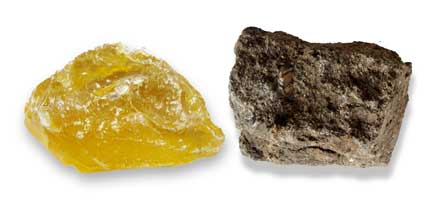 In
the afternoon, the suob procedure is performed. On the same wok, a fire
is started and brought to fiery embers. To this is placed "insenso
kamangyan" (a combination of Chinese incense and a local "
In
the afternoon, the suob procedure is performed. On the same wok, a fire
is started and brought to fiery embers. To this is placed "insenso
kamangyan" (a combination of Chinese incense and a local "